VMware vSAN stands as a cornerstone of the modern Software-Defined Data Center (SDDC), offering robust, high-performance, and scalable storage solutions integrated directly into the hypervisor. As the
57 links
VMware vSAN stands as a cornerstone of the modern Software-Defined Data Center (SDDC), offering robust, high-performance, and scalable storage solutions integrated directly into the hypervisor. As the
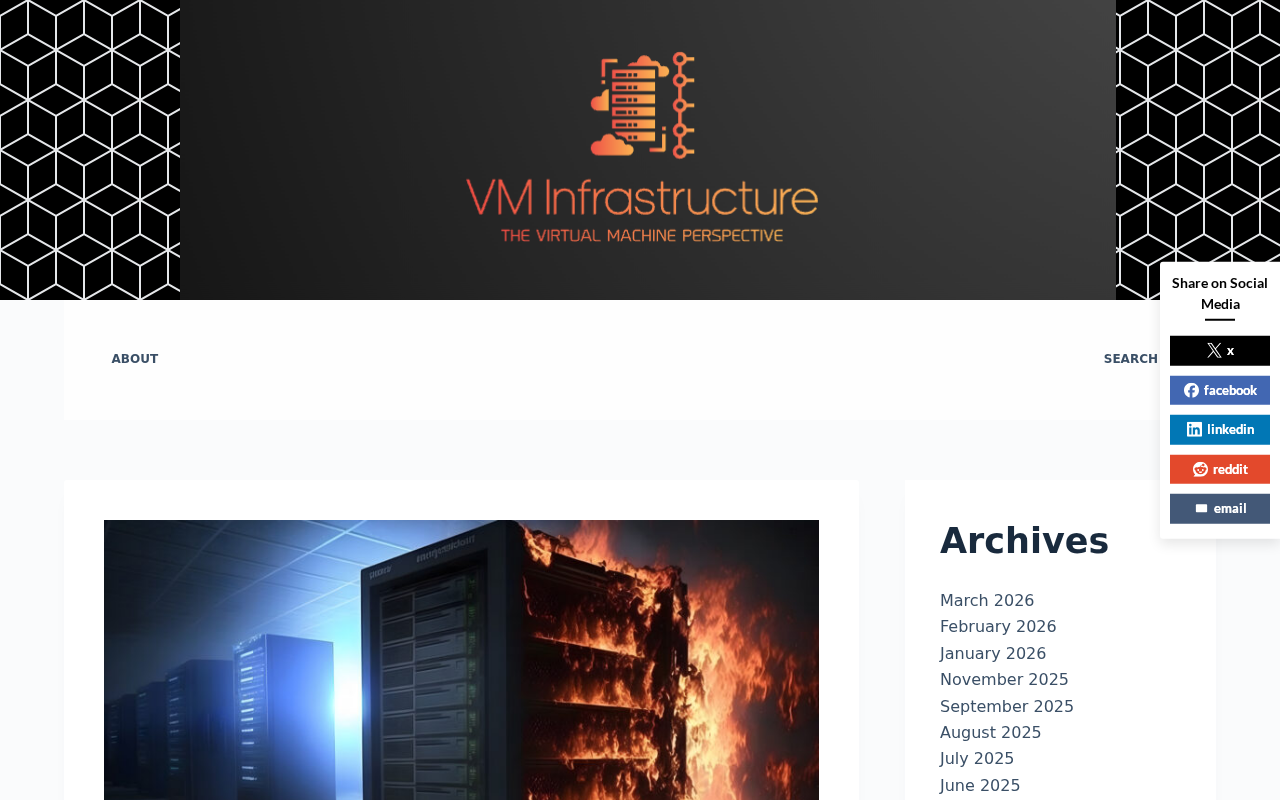
AvSAN stretched clusteris a deployment model where a single vSAN cluster is extended acrosstwo geographically separated data centers, with a third site hosting theWitness Appliance. This architecture
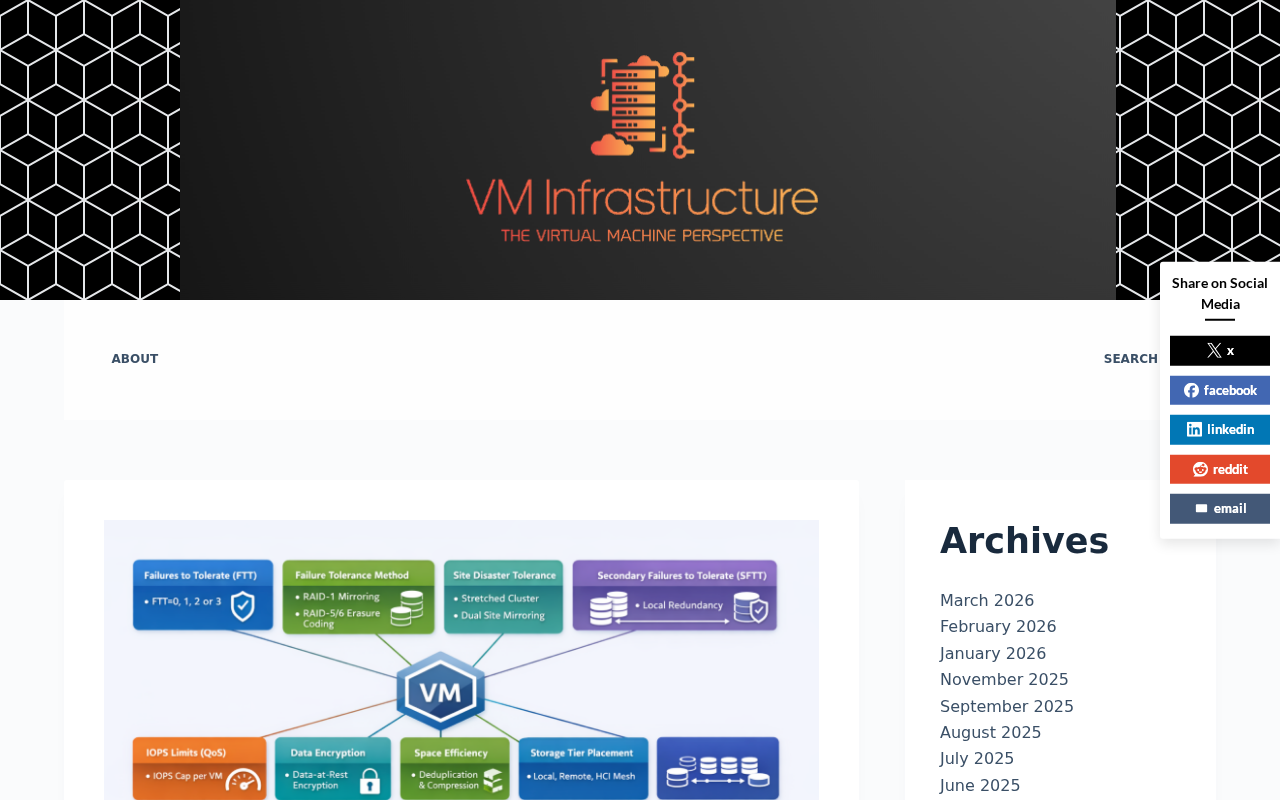
Storage Policy–Based Management (SPBM)is the backbone of how VMware vSAN delivers predictable, workload‑aligned outcomes. Instead of carving LUNs or managing fixed RAID groups the old-fashioned way,po
How to build a single global queue for distributed systems on object storage: Start with a single file on object storage, then add write batching, a stateless broker, and high-availability.
Recently, I came across an issue in a vSphere cluster at a customer. Some vSAN disks were absent. This blog post will show you how I solved it.
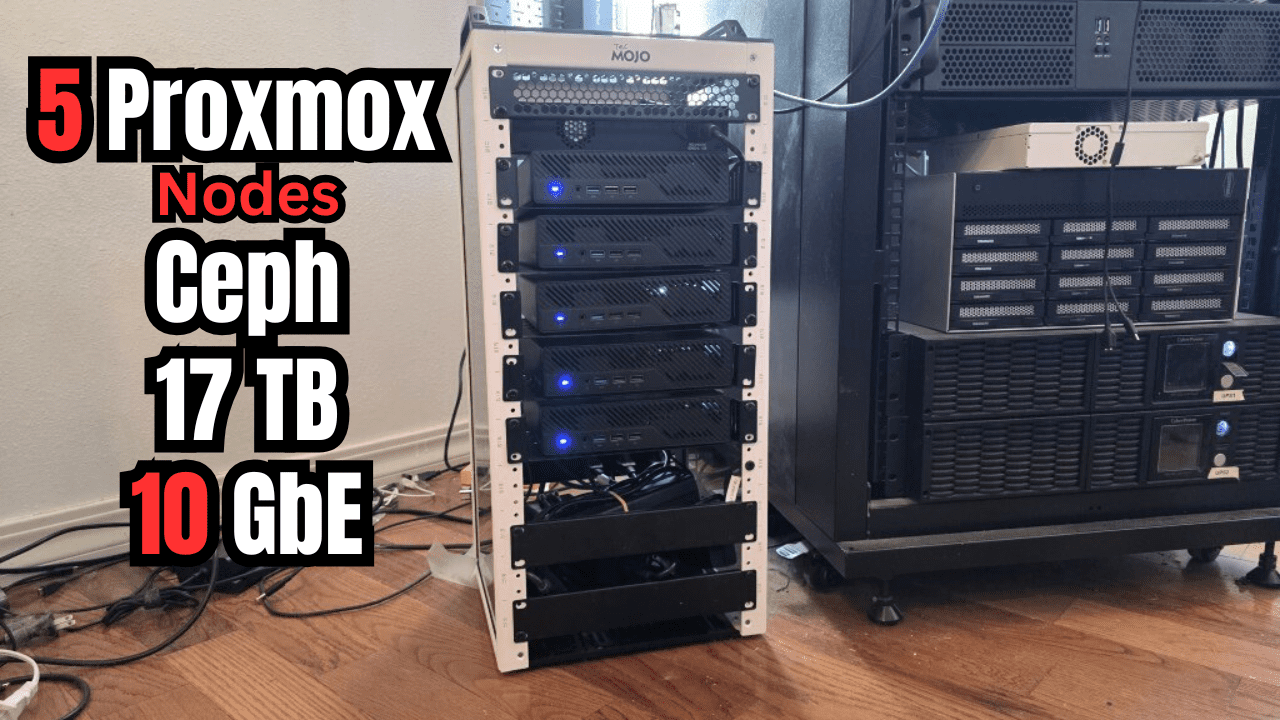
See how I built a Proxmox and Ceph home lab with 5 nodes, 17TB NVMe storage, dual 10Gb LACP, and Talos Kubernetes running on distributed Ceph.
Short blog about my experiences with Nutanix CE and which workarounds I needed.

The Nutanix Cloud Bible - A detailed narrative of the Nutanix architecture, how the software and features work and how to leverage it for maximum performance.
Author: Nemanja Ilic
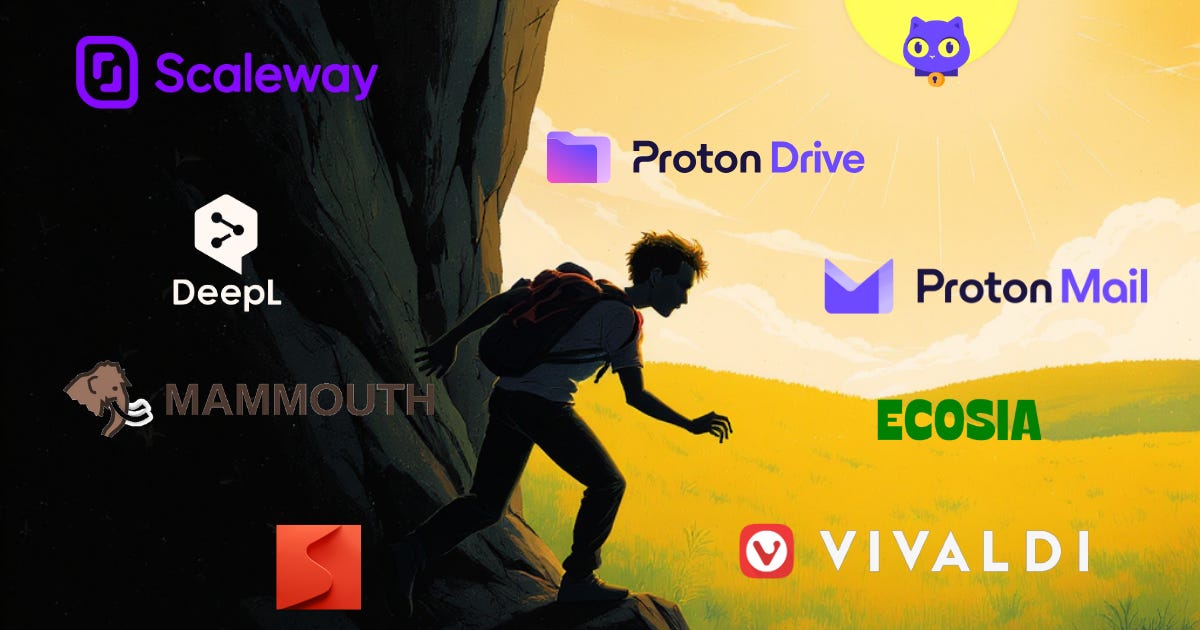
“Bye bye bye.” It took some time, and a serious amount of research, but I have finally crossed the finish line. I have officially migrated my digital life to pure, EU-hosted solutions.
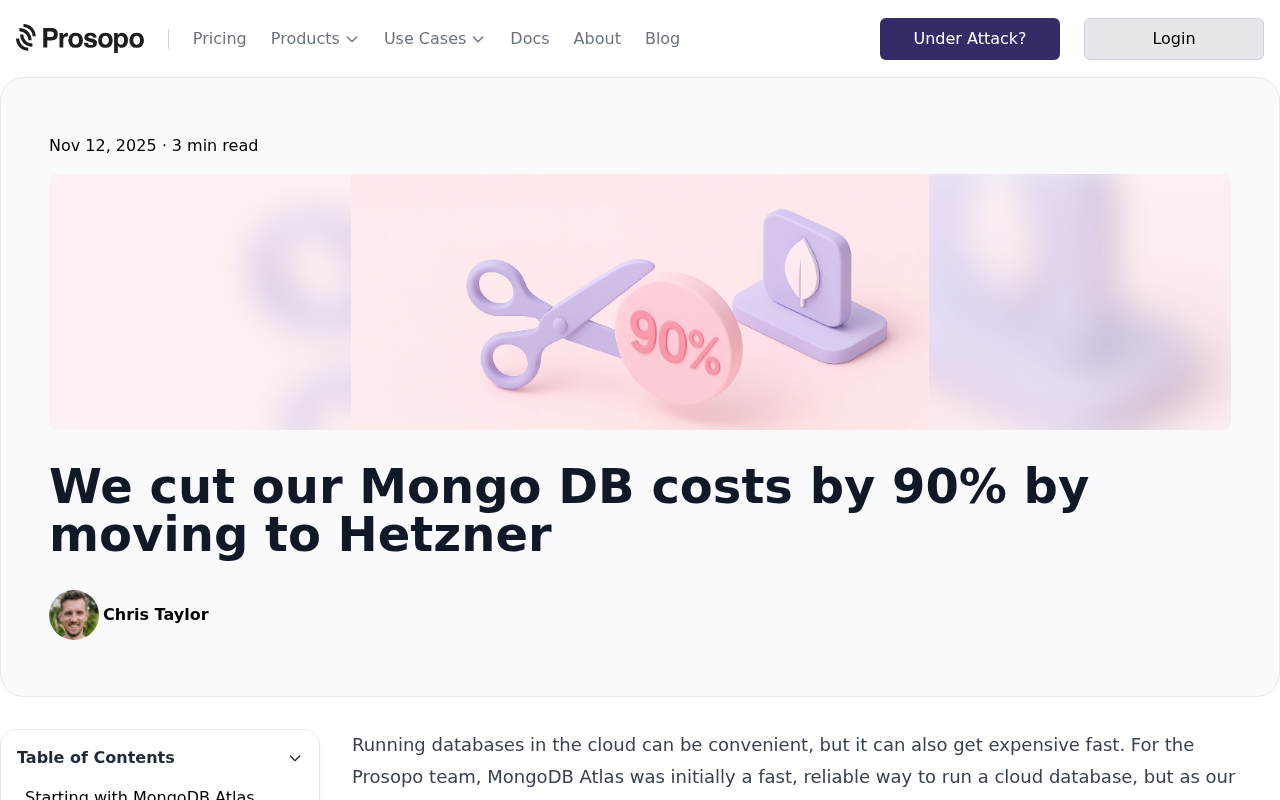
We made the switch from AWS-hosted MongoDB Atlas to a self-hosted solution on Hetzner, resulting in a 90% reduction in costs while maintaining performance and reliability.
We saved 76% on our cloud bills while tripling our capacity by migrating to Hetzner from AWS and DigitalOcean. Digital Society is a not-for-profit cooperative helping you get your projects off the ground and realise the value of your data.
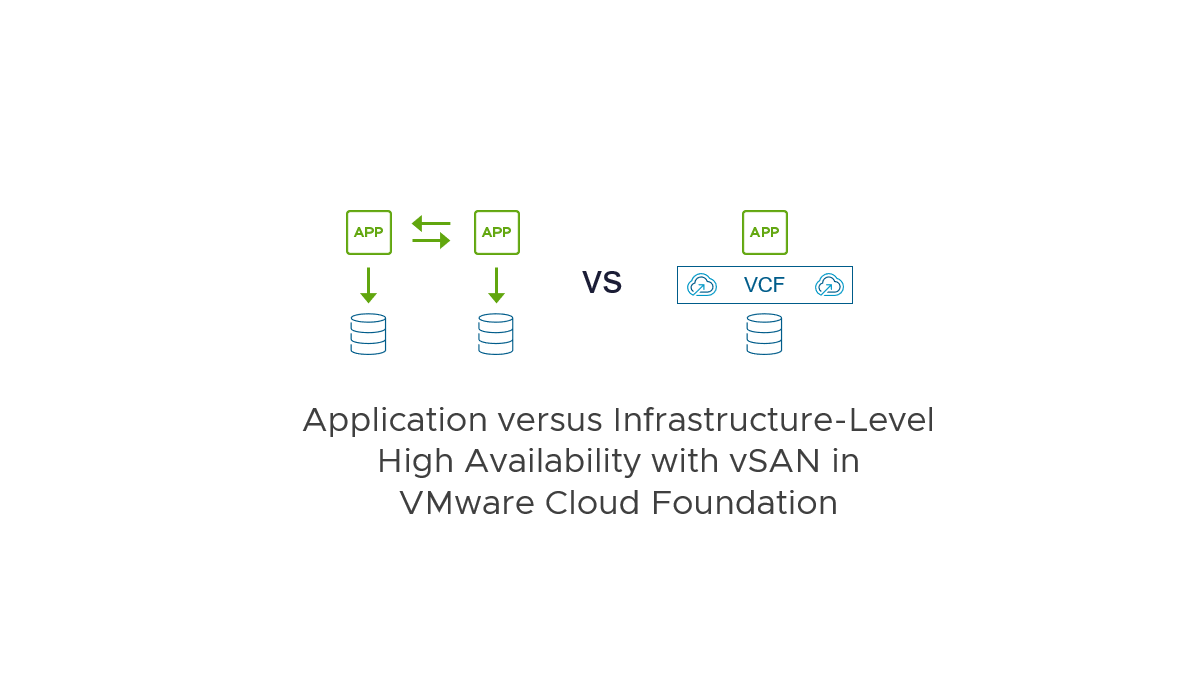
Maintaining availability of data and the applications that produce or consume that data might be the most important responsibility of data center administrators. Capabilities like high performance or special data services mean very little if the applications and the data they produce or consume is not readily available. Ensuring availability is a complex topic, as … Continued
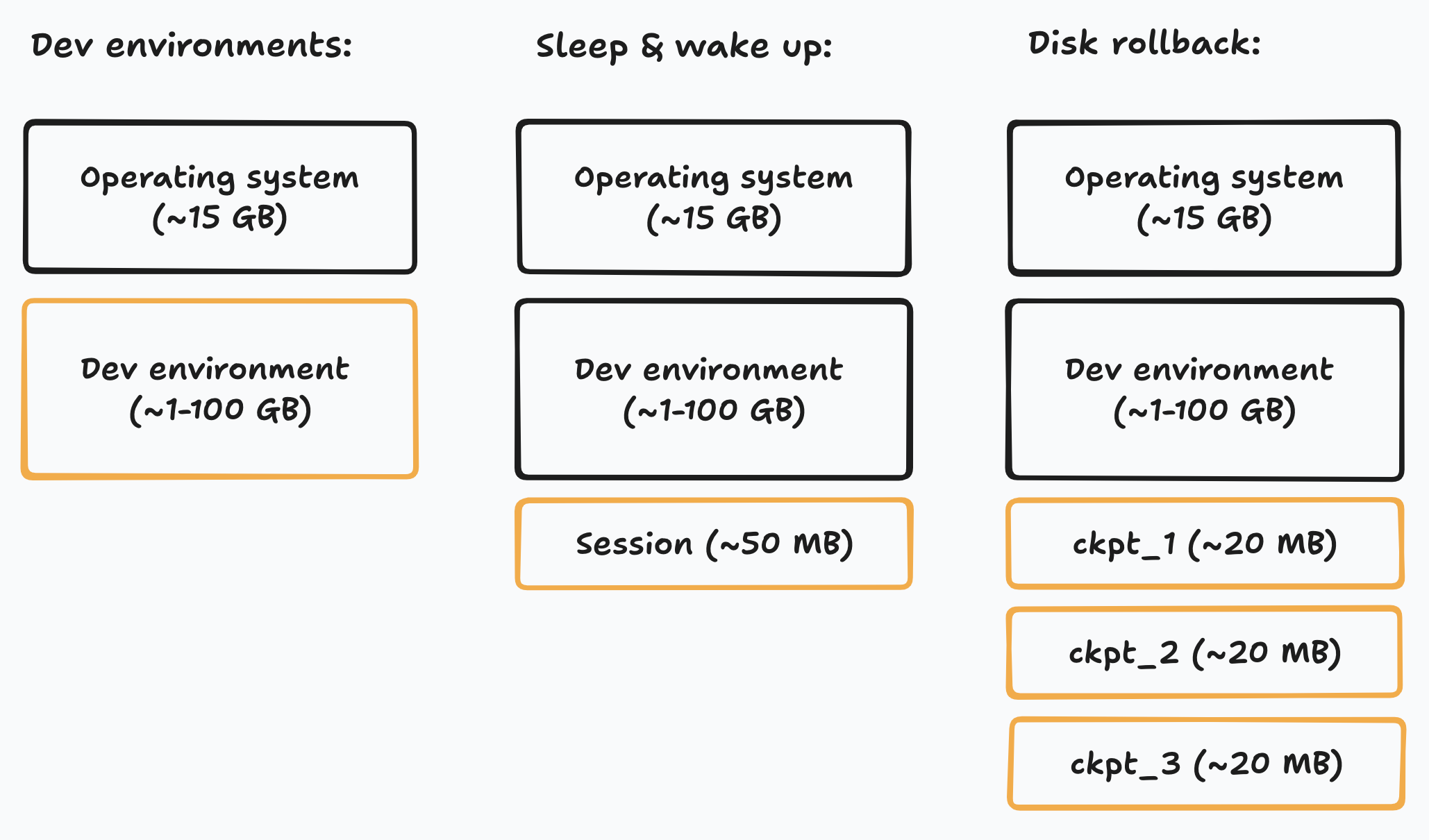
How we built blockdiff, an open-source tool for rapid block-level diffs and snapshots of VM disks.
Whilst Microsoft SQL Server is still in technical preview in Data Services Manager 9.0.1, our team continues to release significant enhancements for our customers as we gravitate towards full support.
DSM 9.0.1 aligns with RBAC features that are already in VCF Automation, specifically around multi-tenancy controls
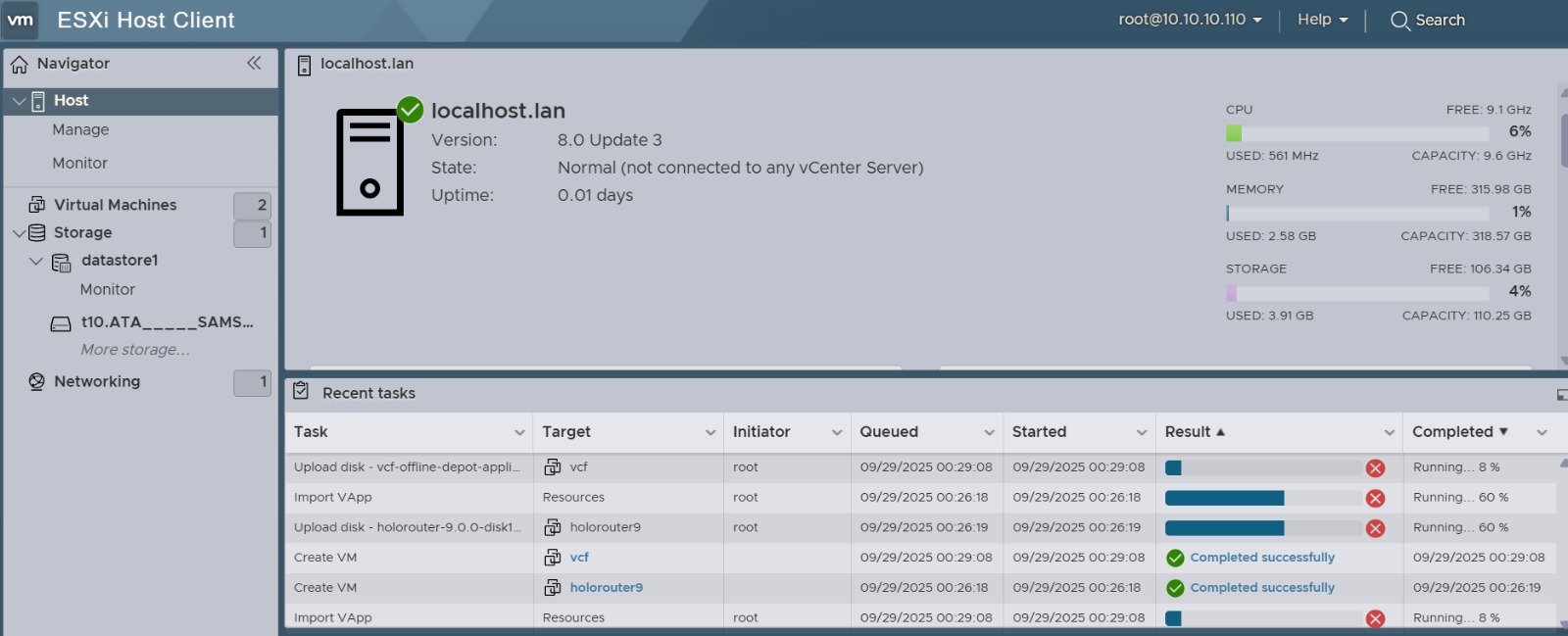
Introduction As virtualisation workloads expand, RAM alone can struggle to meet performance requirements. Starting with ESXi 8 Update 3, VMware now allows administrators to use NVMe SSDs as a memor…
The Intel 285K CPU in my high-end 2025 Linux PC died again! 😡 Notably, this was the replacement CPU for the original 285K that died in March, and after reading through the reviews of Intel CPUs on my electronics store of choice, many of which (!) mention CPU replacements, I am getting the impression that Intel’s current CPUs just are not stable 😞. Therefore, I am giving up on Intel for the coming years and have bought an AMD Ryzen 9950X3D CPU instead.
Sourcing data directly from diskISfaster than caching in memory. I brought receipts.
Because hardware got wider but not faster, the old methods don't get you there. You need new tools to use what is
Hardware got wider, not faster. More cores, more bandwidth, huge vector units — but clocks, IPC, and latency flatlined. Old rules like “memory is faster than disk” are breaking. To go fast today, you
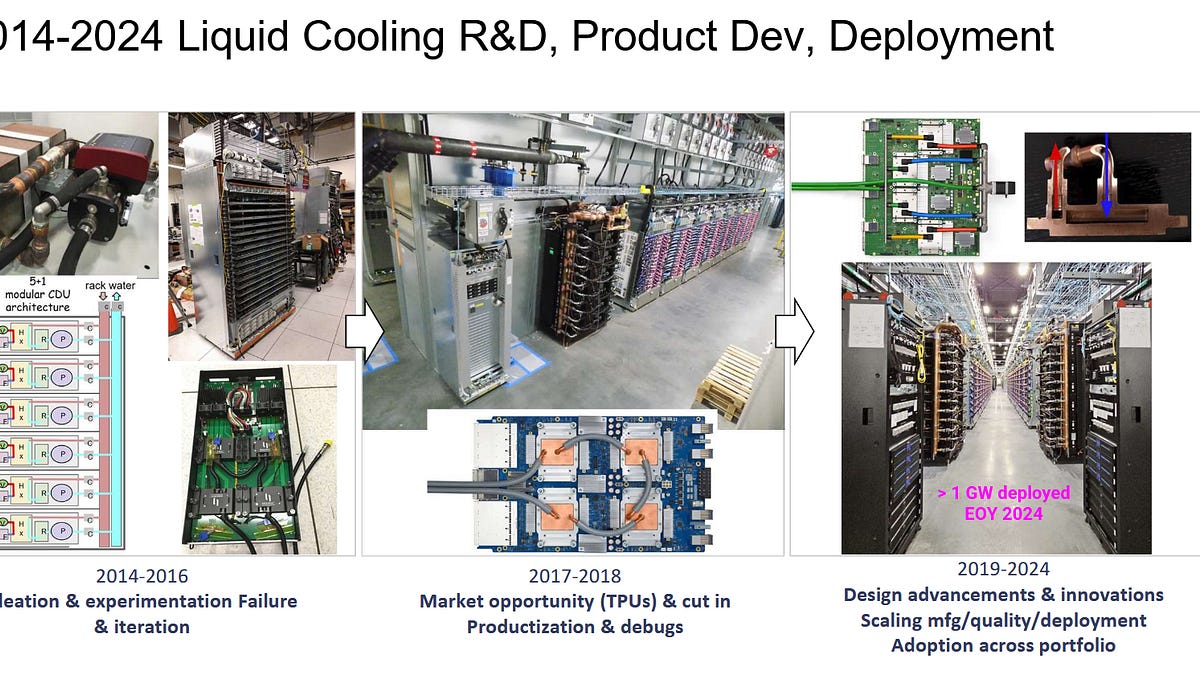
Datacenter-Scale Heat Management
Good news here for customers who use iSCSI in their current vSphere environments and are looking to move to VCF
If you have a Synology NAS and want to use an iSCSI LUN with Proxmox Backup Server, check out this post for the full details.
Follow this How-to to configure a Synology NFS share for use with Proxmox Backup Server as a backup datastore. Bonus includes virtualizing PBS on your Synology NAS.
how to add read-write-many (RWX) volumes to a Pod in VKS which were initially created by the Volume Service

You can shell out to `cp -c` using `subprocess`, or you can make a `clonefile()` syscall using the `ctypes` library.
In this post, I will show you the steps to create a static volume via the Volume Service, and then create the appropriate manifests in your VKS cluster to make the volume available to Pods running on your cluster.
After Claude Pro changed to weekly limits, I explored self-hosting Qwen3-Coder-480B with 400k context windows. Here's what I learned about costs, alternatives, and why Claude Code still dominates the landscape.
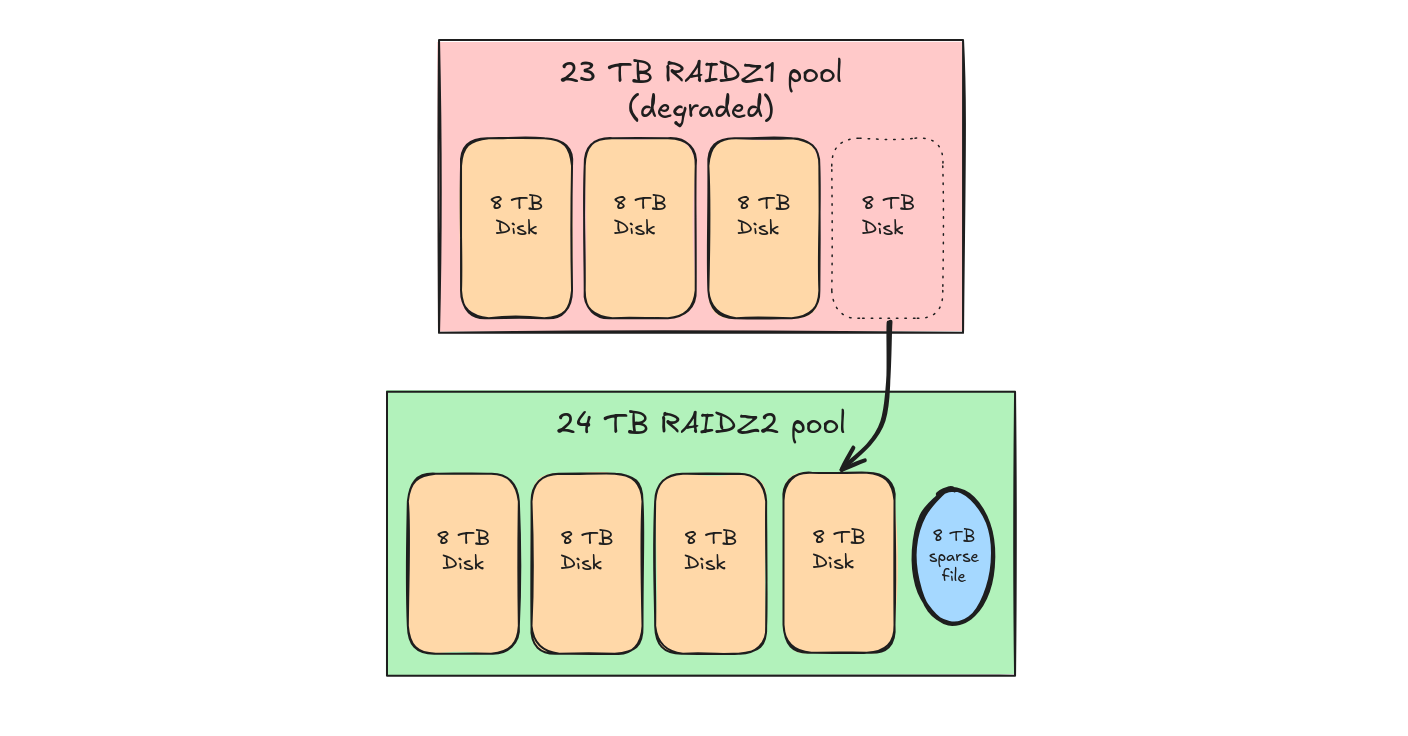
How to migrate from RAIDZ1 to RAIDZ2 without a spare ZFS server or a boatload of extra disks.
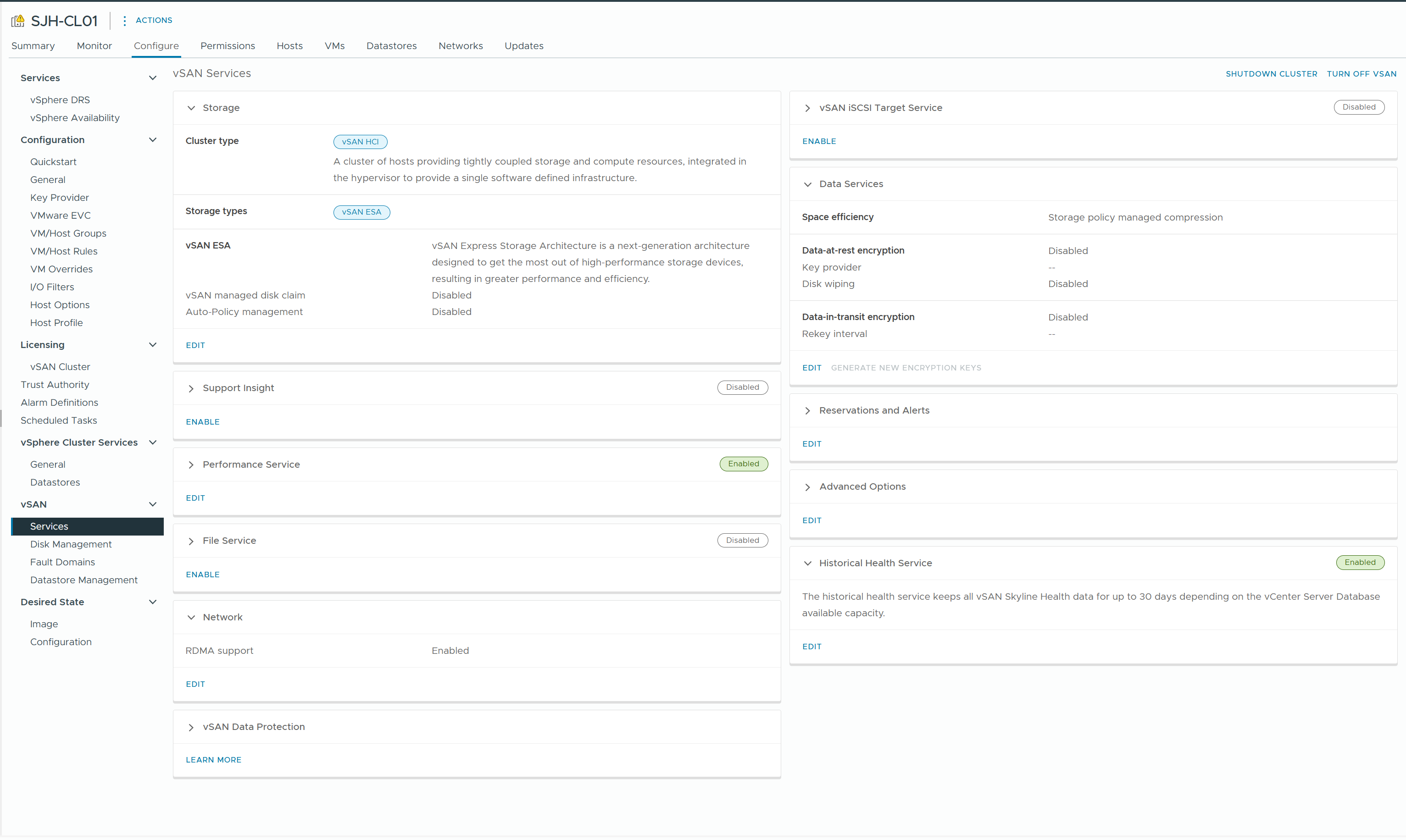
A step-by-step guide to configuring a vSAN ESA over RDMA cluster and a troubleshooting methodology.
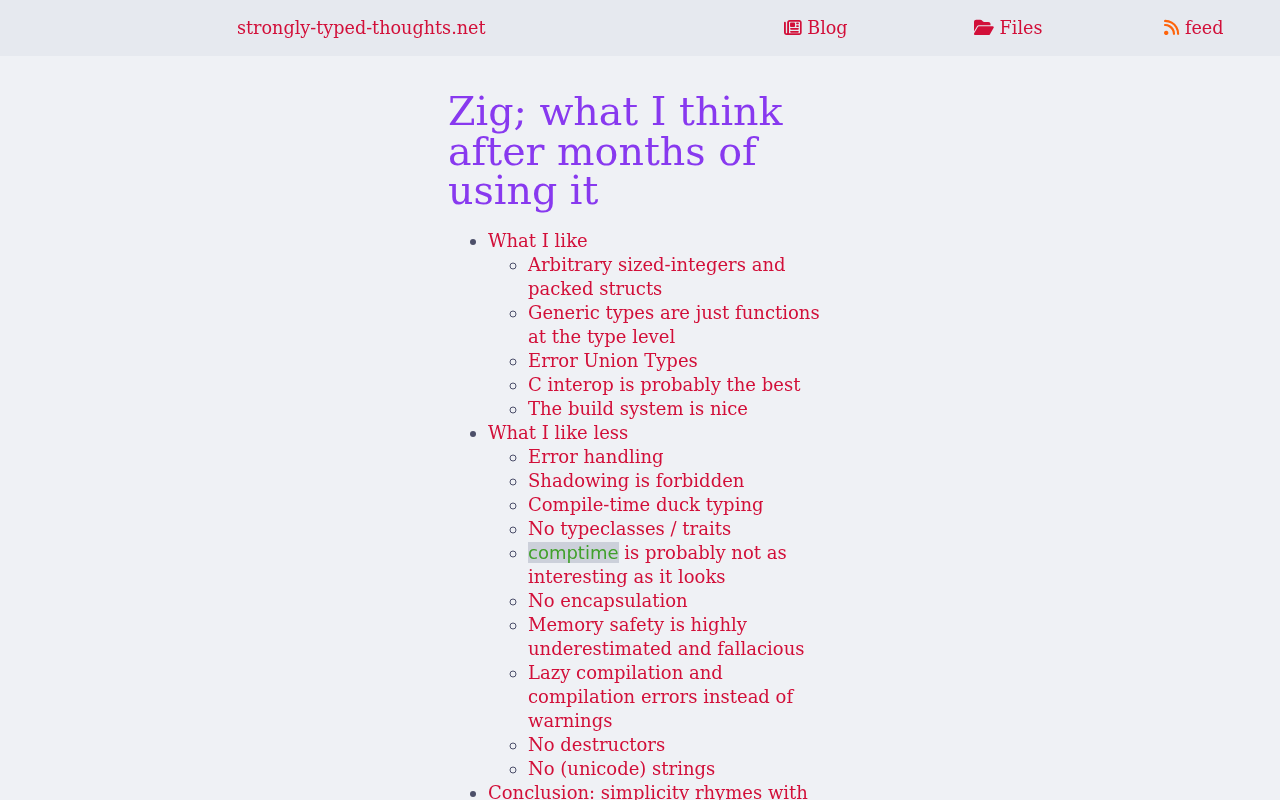
Ah,Zig. I have a love-hate relationship with this one. A “new” (reading:appeared a couple years ago,
already — yes,already), language with high ambitions. Zig was made to run at low-level, with a simp
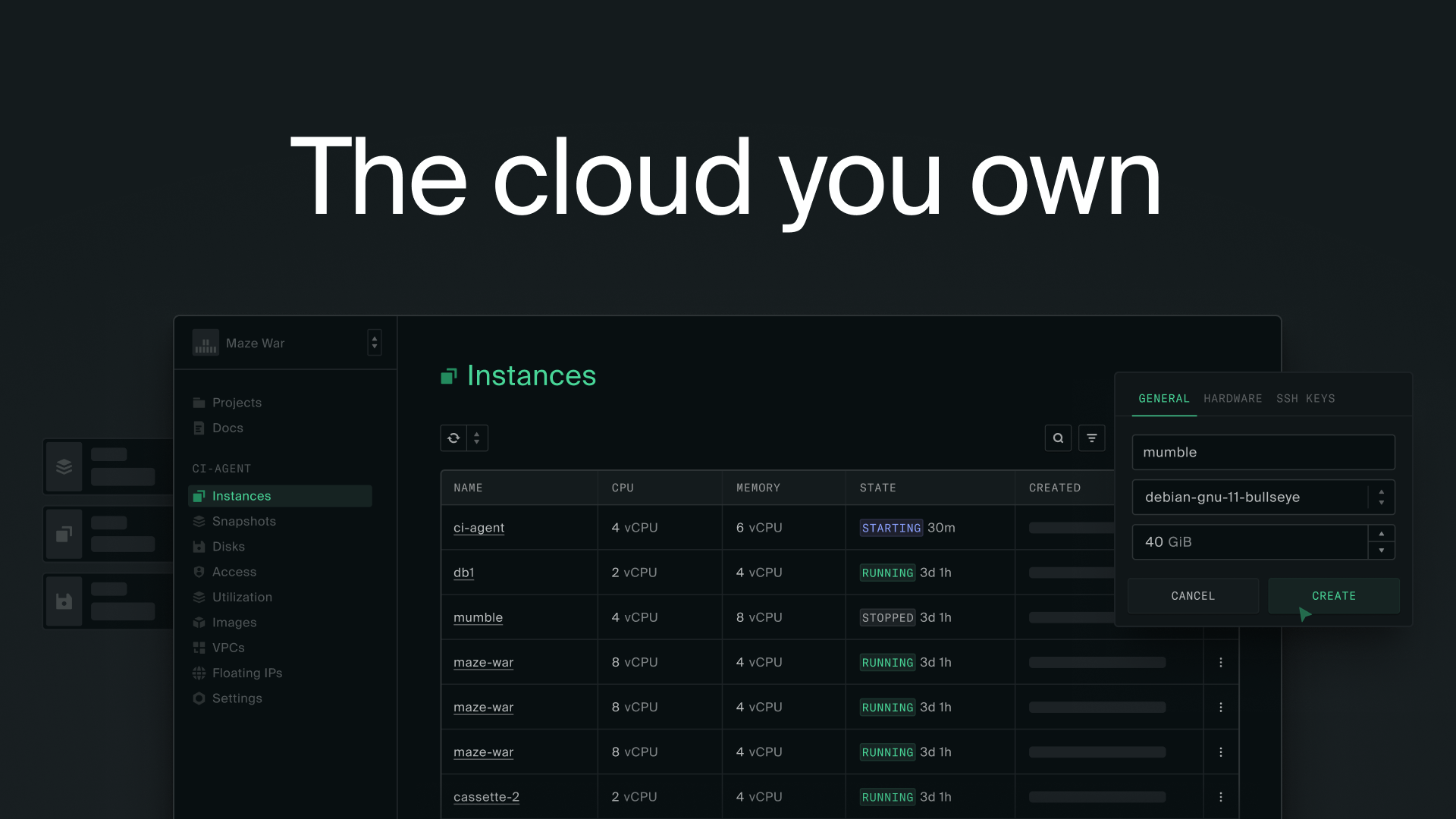
The cloud you own. Hardware, with the software baked in, for running infrastructure at scale.
DSM is providing is the DBaaS solution for VCF. In this post, I will attempt to highlight the overall benefits of DSM. I will do this for three different personas; the VI Admin, the DBA and the end-user/developer.
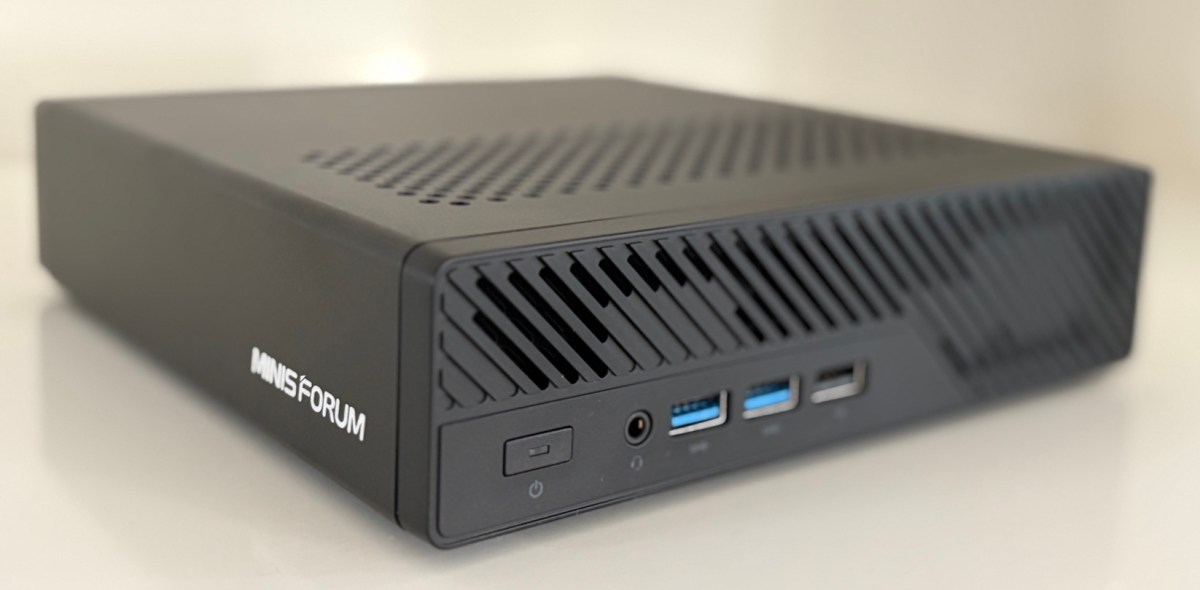
Since launching the MS-01 in 2024, Minisforum has steadily gained popularity for its unique design that sets it apart from established players in the small form factor (SFF) market. Following the s…
Data Services Manager is the DBaaS for VMware Cloud Foundation (VCF), offering multi-tenanted data services to your end users on-premises, on vSphere.
The latest VMware Cloud Foundation (VCF) 9 resources

For one of my network storage PC builds, I was looking for an alternative to Flatcar Container Linux and tried out NixOS again (after an almost 10 year break). There are many ways to install NixOS, and in this article I will outline how I like to install NixOS on physical hardware or virtual machines: over the network and fully declaratively.
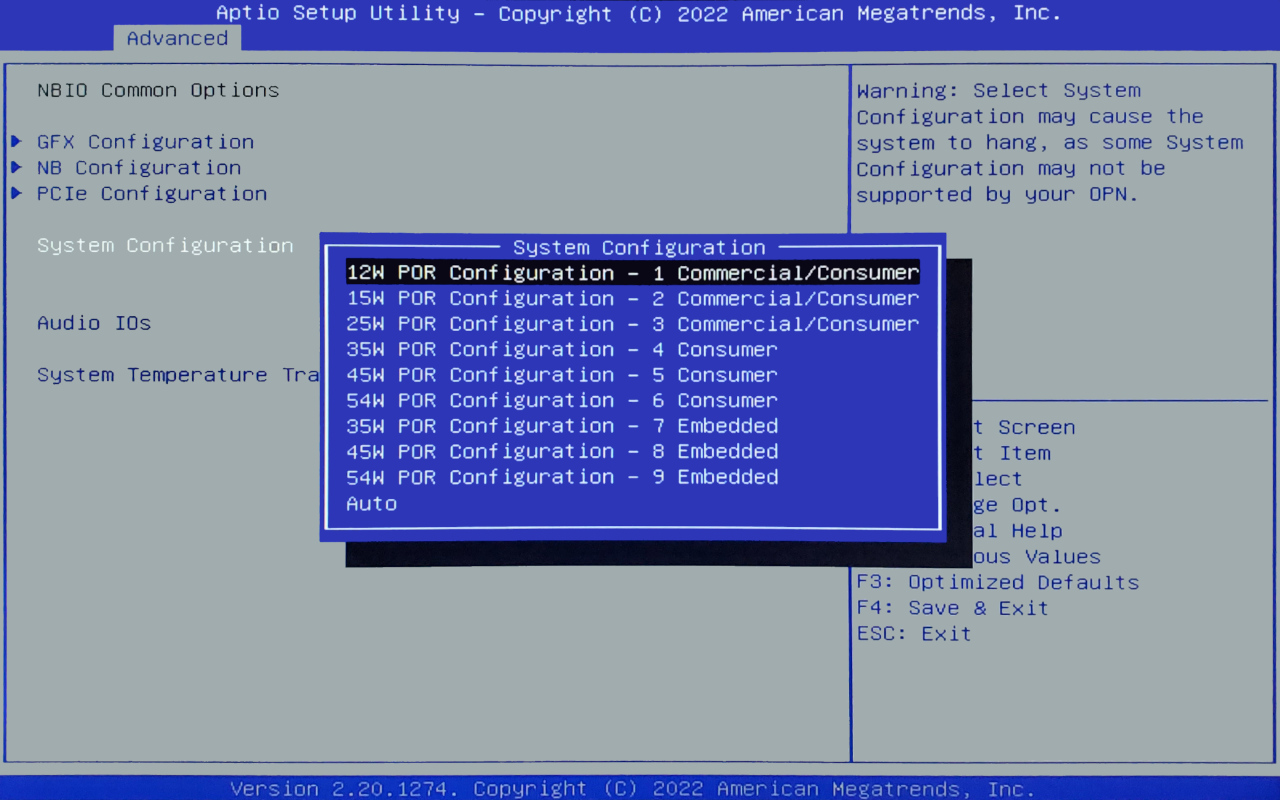
When you read my blog articles and stuff – you may get the idea that everything I do – just happens to be right and that I succeed at every attempt. This article is here to remind you t…
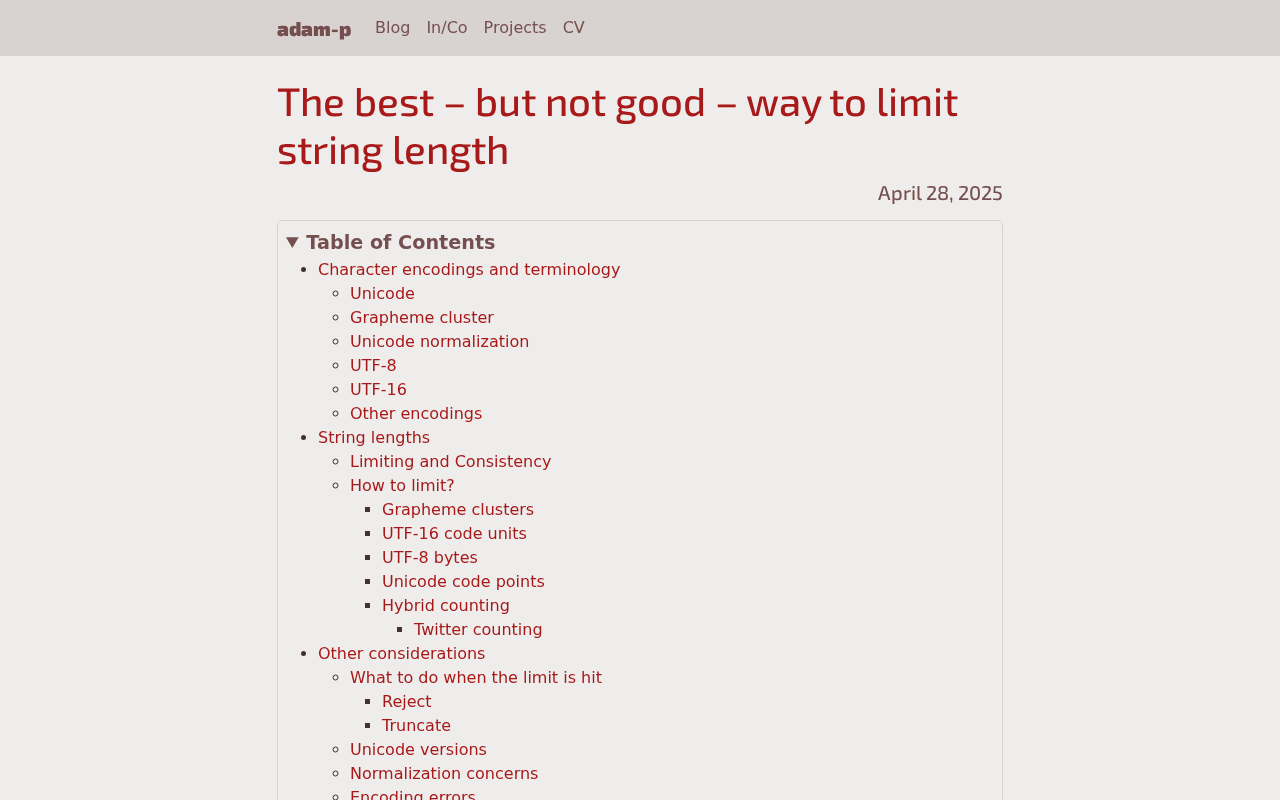
Getting the length of a string seems simple and is something we do in our code every day. Limiting the length of a string is also extremely common in both frontend and backend code. But both of those
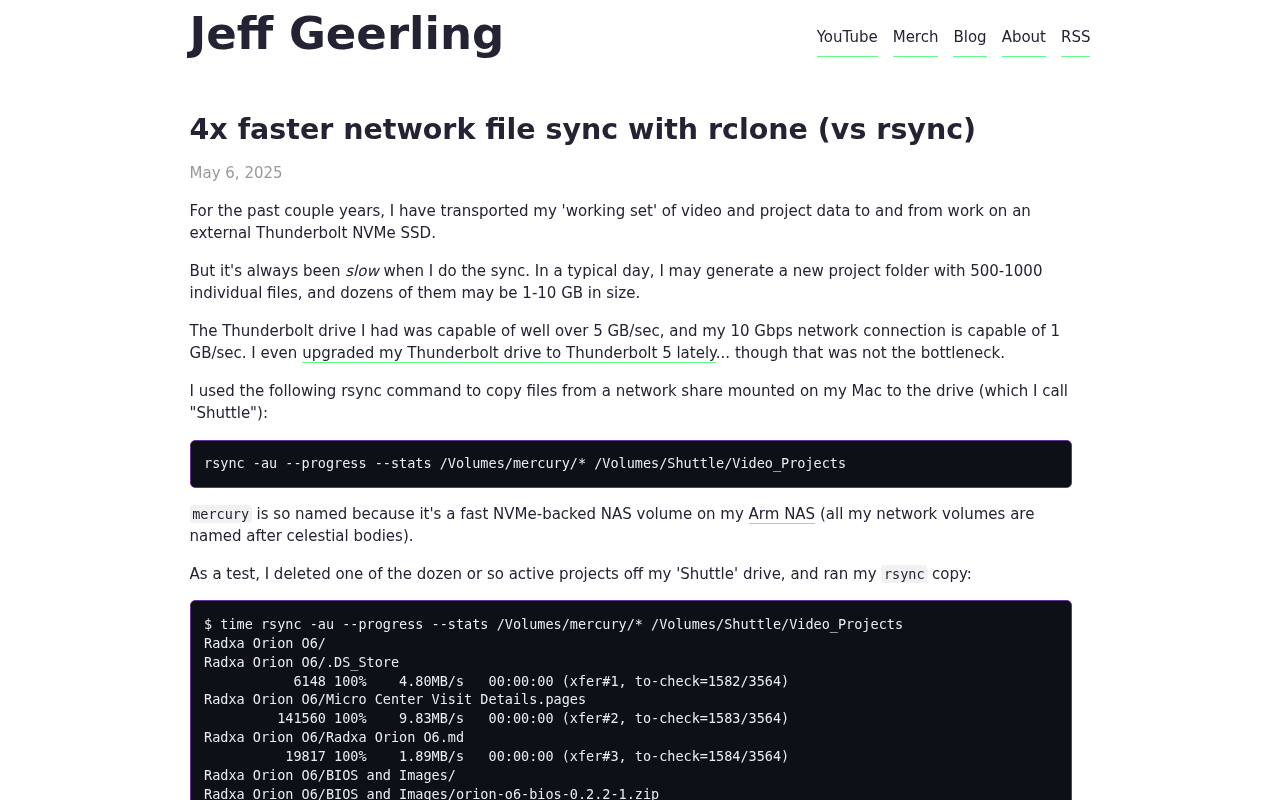
For the past couple years, I have transported my 'working set' of video and project data to and from work on an external Thunderbolt NVMe SSD.
But it's always been slow when I do the sync. In a typical day, I may generate a new project folder with 500-1000 individual files, and dozens of them may be 1-10 GB in size.
The Thunderbolt drive I had was capable of well over 5 GB/sec, and my 10 Gbps network connection is capable of 1 GB/sec. I even upgraded my Thunderbolt drive to Thunderbolt 5 lately... though that was not the bottleneck.
Dumping a SQLite database to a text file can make it much smaller, which means you can download it faster.
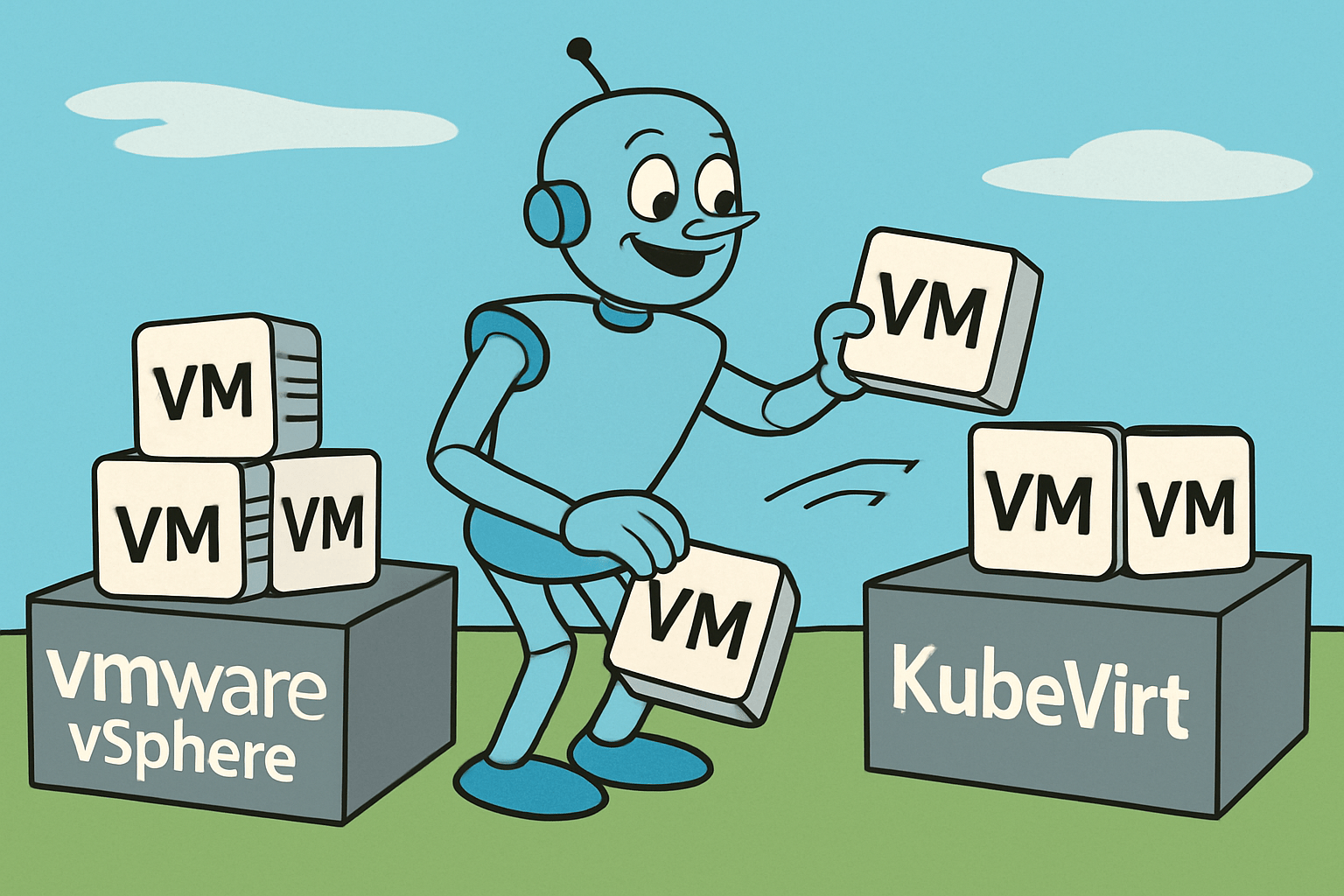
A deep dive into KubeVirt for vSphere admins. Learn VM creation, storage, networking, and operations mapped to familiar VMware concepts.
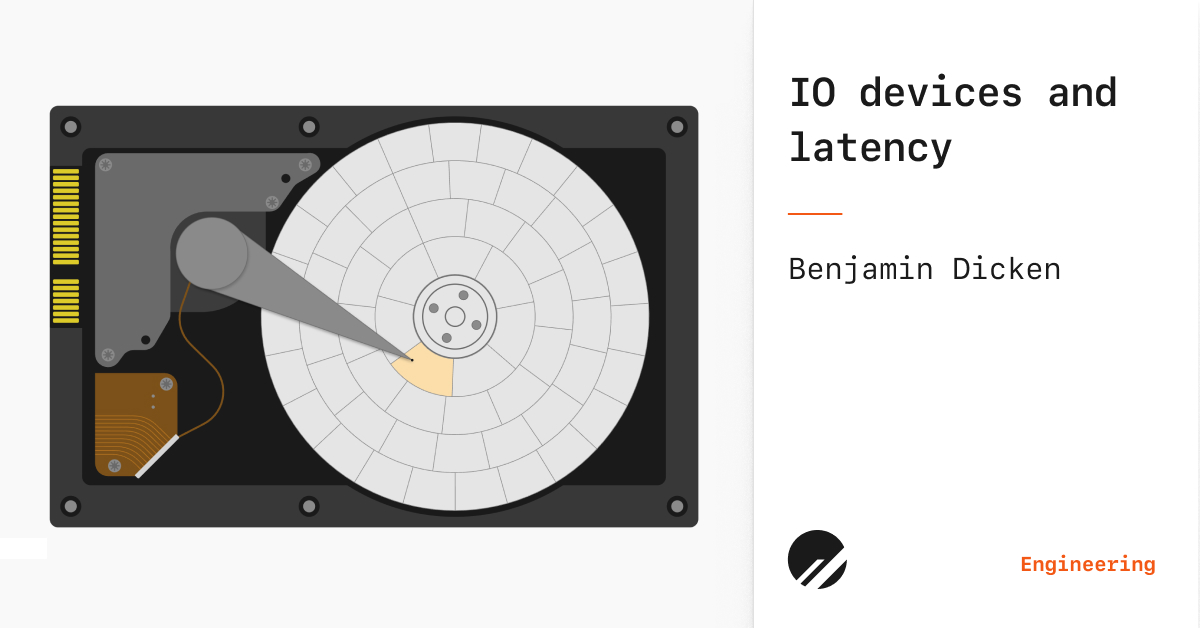
Take an interactive journey through the history of IO devices, and learn how IO device latency affects performance.
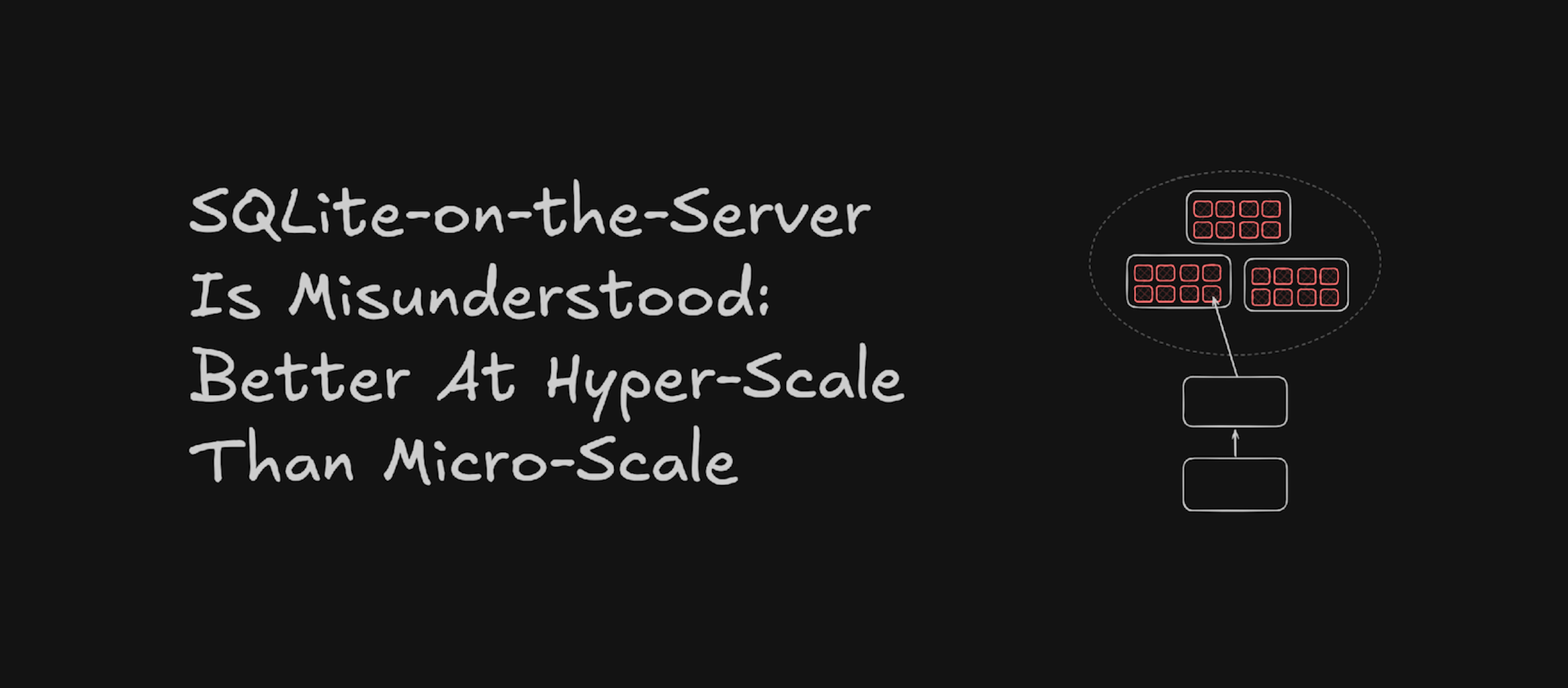
We're Rivet, a new open-source, self-hostable serverless platform. We've been in the weeds with SQLite-on-the-server recently and – boy – do we have a lot of thoughts to share. Give us a star on GitHub, we'll be sharing a lot more about SQLite soon!
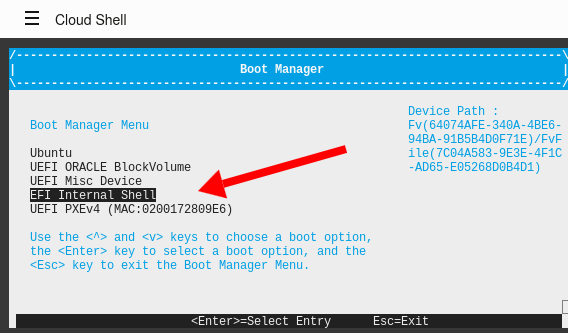
Oracle is not a very popular cloud hosting service, but they have an unusually attractive free tier offering. You can run the following two VMs for free 24/7:
Let’s Encrypt protects a vast portion of the Web by providing TLS certificates to over 550 million websites—a figure that has grown by 42% in the last year alone. We currently issue over 340,000 certificates per hour. To manage this immense traffic and maintain responsiveness under high demand, our infrastructure relies on rate limiting. In 2015, we introduced our first rate limiting system, built on MariaDB. It evolved alongside our rapidly growing service but eventually revealed its limits: straining database servers, forcing long reset times on subscribers, and slowing down every request.
When it comes to infrastructure engineering, building a data center is probably closer to building a house than to deploying a Terraform stack.
the latest version of Data Services Manger (DSM) is now available. Version 2.2 has a wealth of new features
You've been lied to. You don't need the cloud – you can just run servers and save 10x your AWS costs. It's not that difficult.

I want my services to be sturdy, cheap & easy to maintain. I want very few moving parts, and I treat the hardware as disposable and unreliable. Ansible allows me to achieve a lot at very little cost.
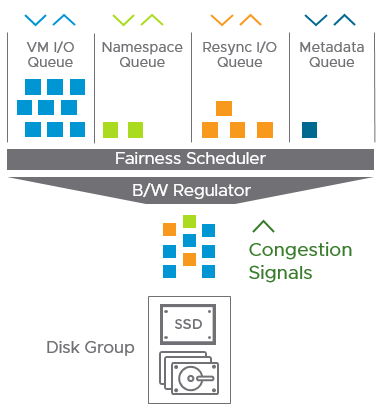
Delivering consistent performance while maintaining data resiliency is a key tenet behind enterprise storage solutions. VMware vSAN is the industry leading distributed storage system built right into VMware vSphere, and is designed to offer the highest level of resiliency and performance, with the maximum amount of agility should hardware faults occur, or demands of the … Continued
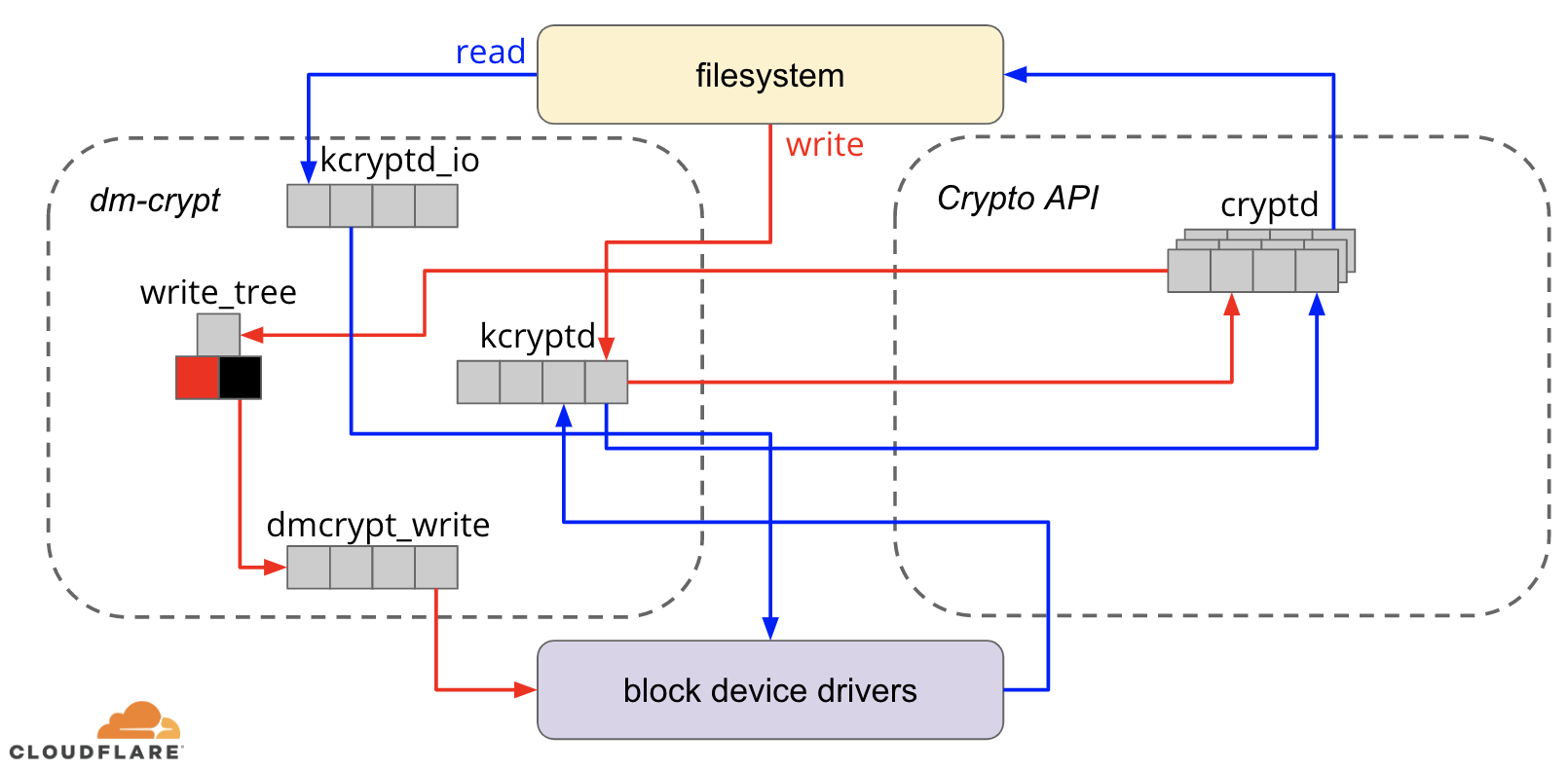
In this post, we will investigate the performance of disk encryption on Linux and explain how we made it at least two times faster for ourselves and our customers!
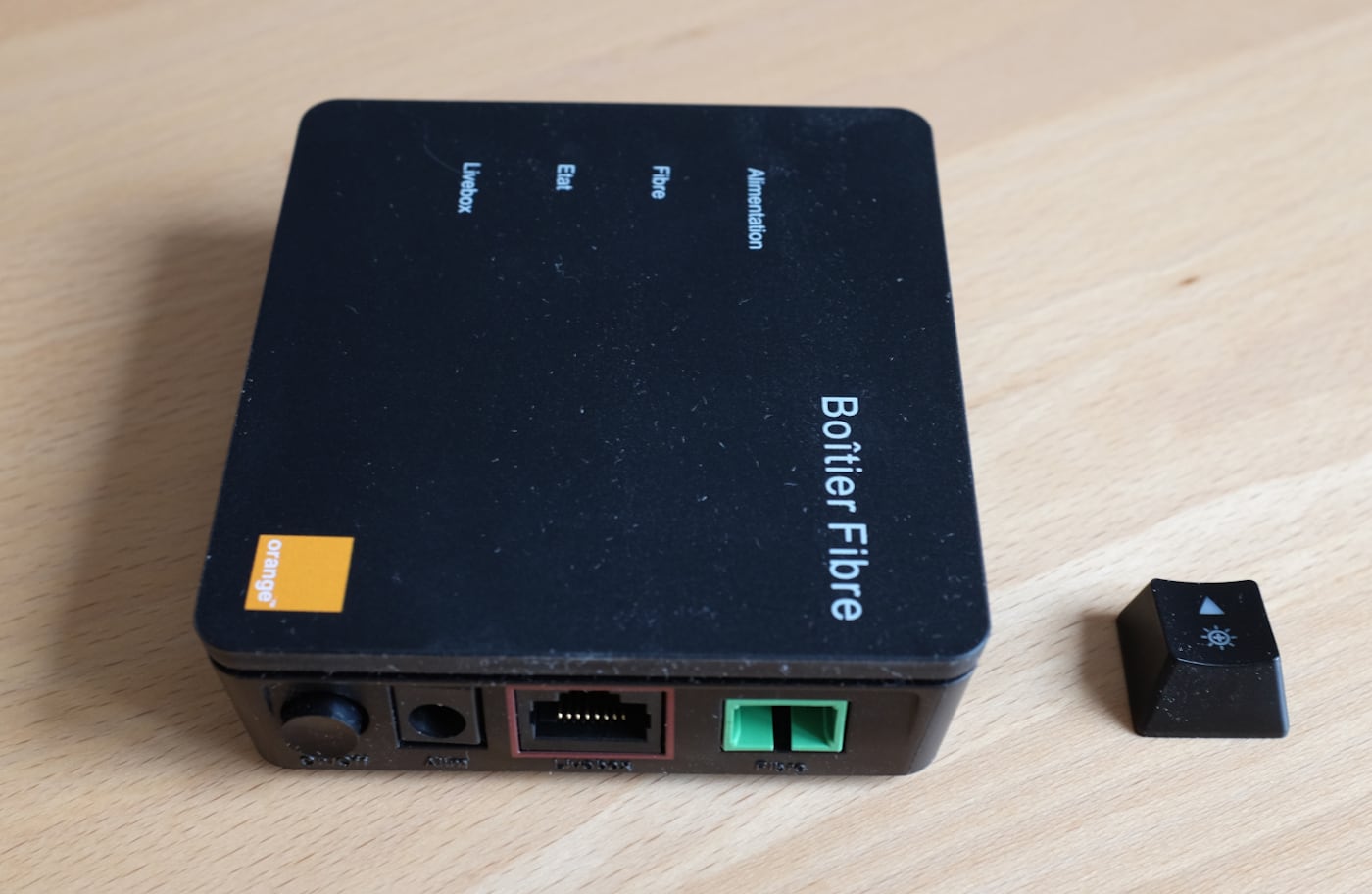
Replacing Orange Livebox with another router is widely documented but too kludgy for my taste. I expose a cleaner setup.
Intro
I have been experimenting a lot over the past 18 months with containers and in particular, Kubernetes, and one of the core things I always seemed to get hung up on was part-zero - creating the VMs to actually run K8s. I wanted a CLI only way to build a VM template for the OS and then deploy that to the cluster.
It turns out that with Ubuntu 18.04 LTS (in particular the cloud image OVA) there are a few things need changed from the base install (namely cloud-init) in order to make them play nice with OS Guest Customisation in vCenter.