
I ran 120B MoE models on my M1 Max
mitln.github.ioI've been trying to run large language models on my MacBook Pro. It has an M1 Max and 32GB of RAM, so a 60GB model obviously won't fit entirely in memory.
88 links
I've been trying to run large language models on my MacBook Pro. It has an M1 Max and 32GB of RAM, so a 60GB model obviously won't fit entirely in memory.
fsync promises two things, durability and ordering, and I only need ordering. ext4 gives both or neither: every fsync commits the journal and flushes the disk cache. ZFS with sync=disabled gives ordering alone: transaction groups land in order, and a crash loses the last tens of seconds, not a database. My two HDDs are 2.7% busy instead of 13%, and a write takes 2 ms instead of 16.
Zone setting changes used to rebuild entire DNS zones, even ones with tens of millions of records. Here is how we built a planner that picks the smallest safe build, cutting full builds by 40%, peak memory by 85%, and halving build delay.
Over the past year, we have worked with hundreds of thousands of developers across some of the largest enterprises in th...

A Mac browser with Arc's sidebar and Dia's polish, built on real Chromium. Free, open source and notarized by Apple, with ads and trackers kept out.
Release notes for Ghostty 1.4.0, released on October 27, 2026.
lithos-metal: high-performance LLM inference kernels and serving for Apple silicon. - lithos-ai/lithos-metal
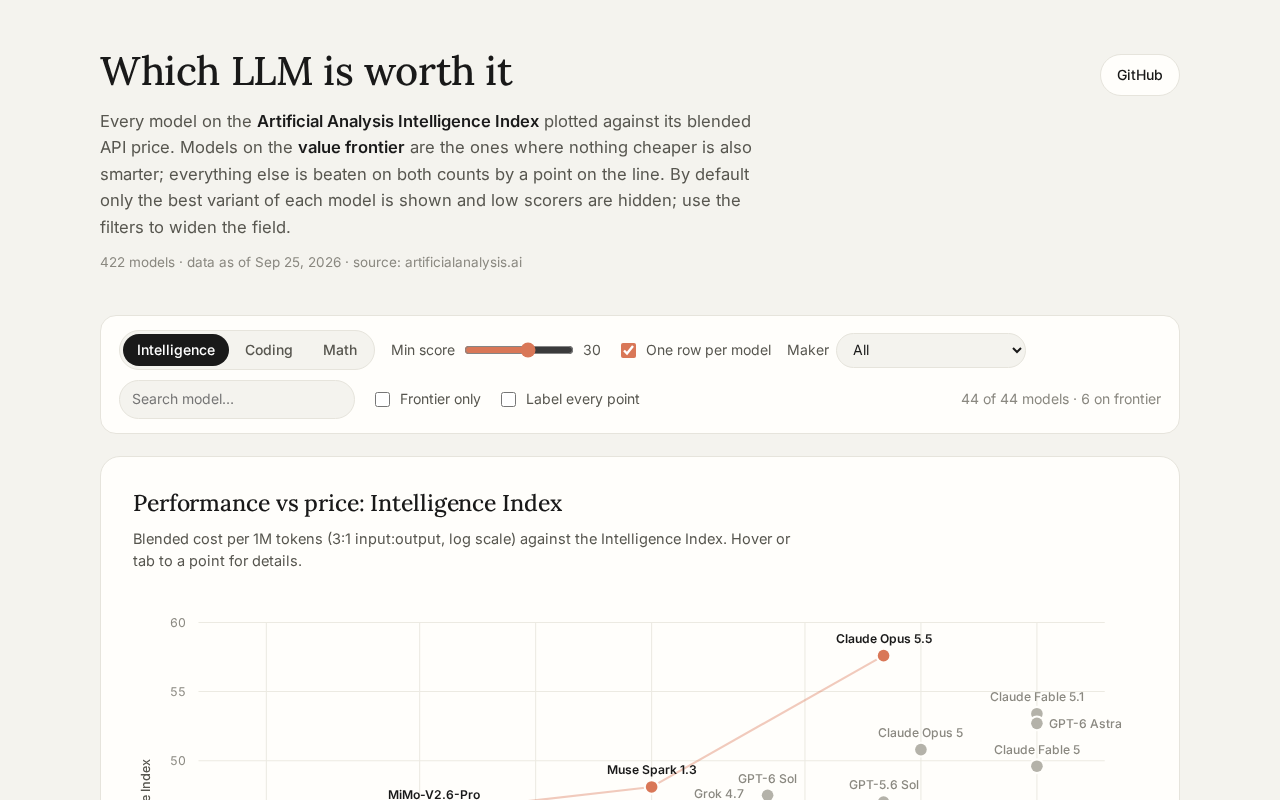
Which LLM is worth it: Artificial Analysis Intelligence Index against blended API price, with the value frontier highlighted. Refreshed daily.
Tailscale performance updates reduce memory use, increase throughput, and speed startup with multi-queue, writev, and netmap caching.
What does a coding-agent harness actually add, and at what cost? It turns out your Claude models may not need Claude Code… We evaluate 21 model–harness pairs spanning seven models and three harnesses—Claude Code, Codex CLI, and Pi—on SWE-bench Lite and Terminal-Bench 2.0.
The fastest way to run Qwen3.8-Flash-Next on Strix Halo (gfx1151) - peonist-ai/halogen-flash-server
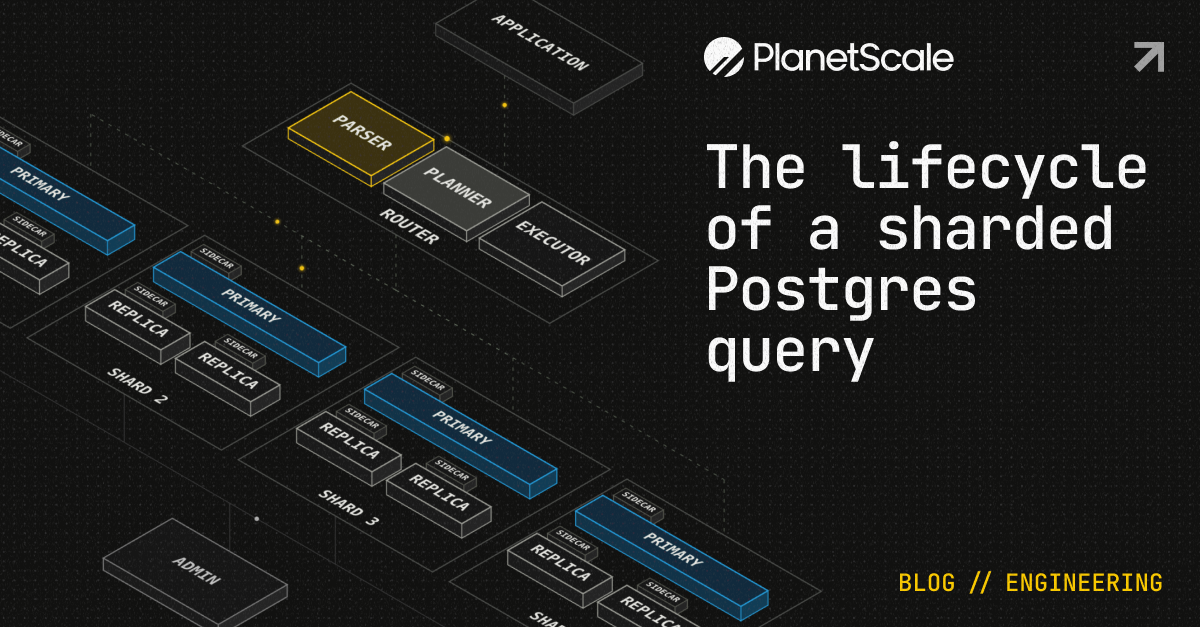
Follow a SQL query through the router, across four Postgres shards, and back.
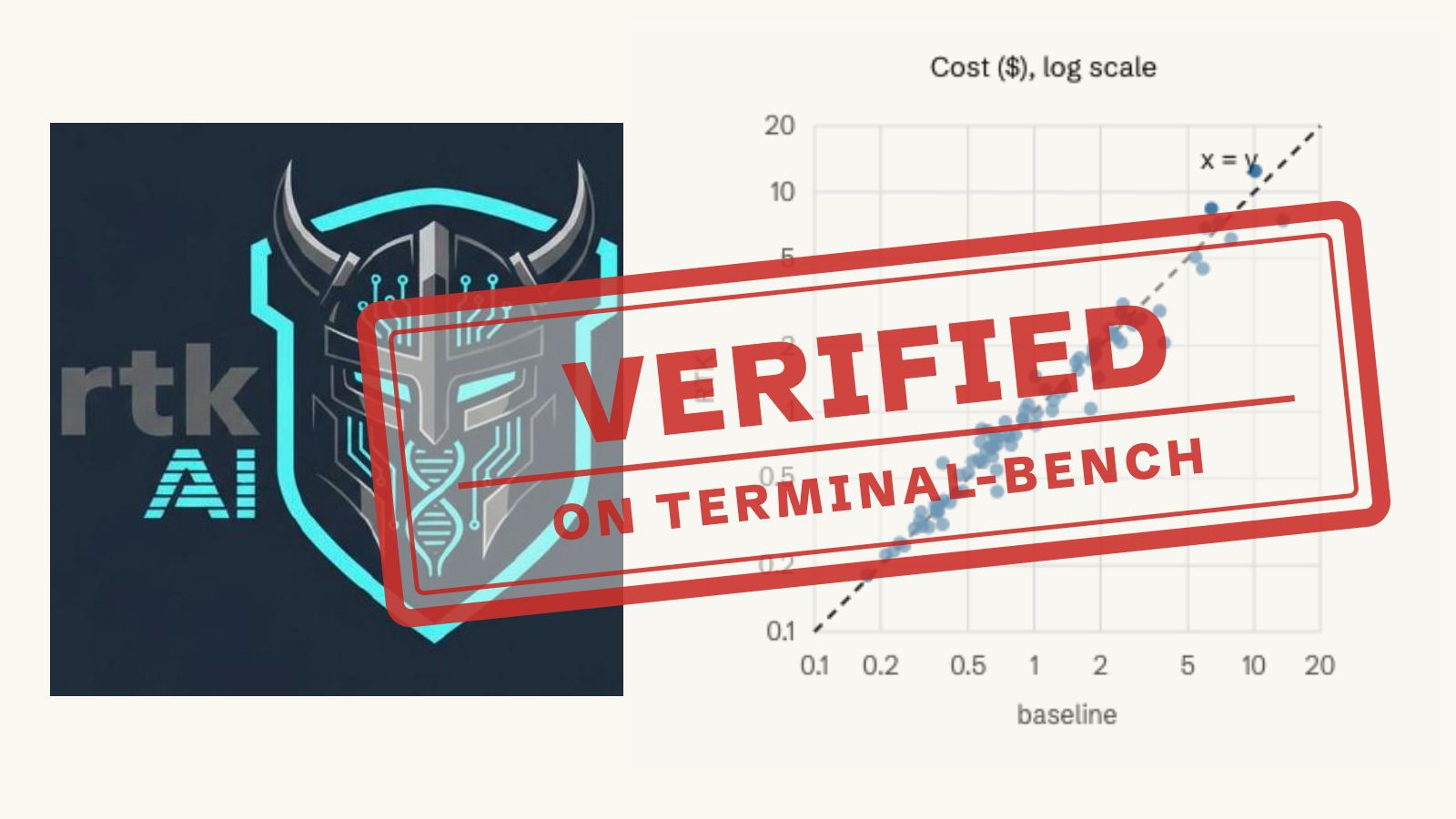
We tested RTK (Rust Token Killer) with Claude Code on Fable 5.0, and OpenCode with DeepSeek V4 Pro 0813 on Terminal-Bench 2.1.

While I am a huge fan of the recent AMD Ryzen Zen4/Zen5-based consumer platforms, including the versatile Minisforum MS-A2, it is well known at this point that these processors can exhibit slower e…
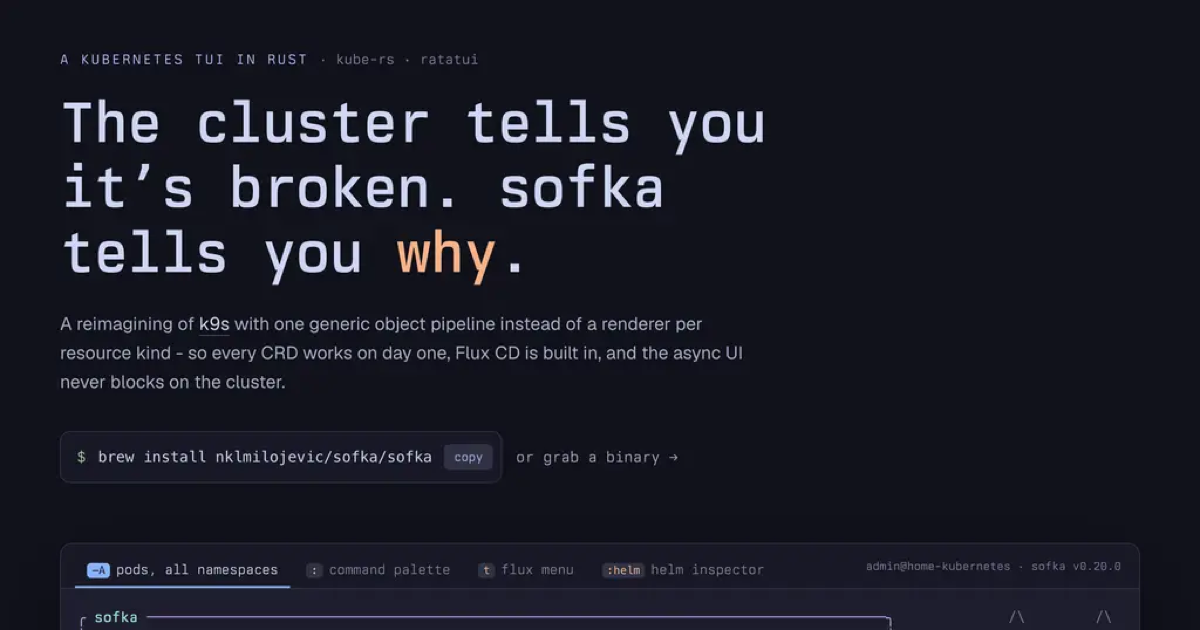
Custom resource browsing, built-in Flux actions, and incident explanations. Tested pod-view startup: 1.51 seconds versus 3.72 seconds for k9s.
This is probably the question I get asked most about Spacetime. It’s a simple enough question, and it certainly seems like it should have a simple answer. Scaling is a complex topic, and the devil is…
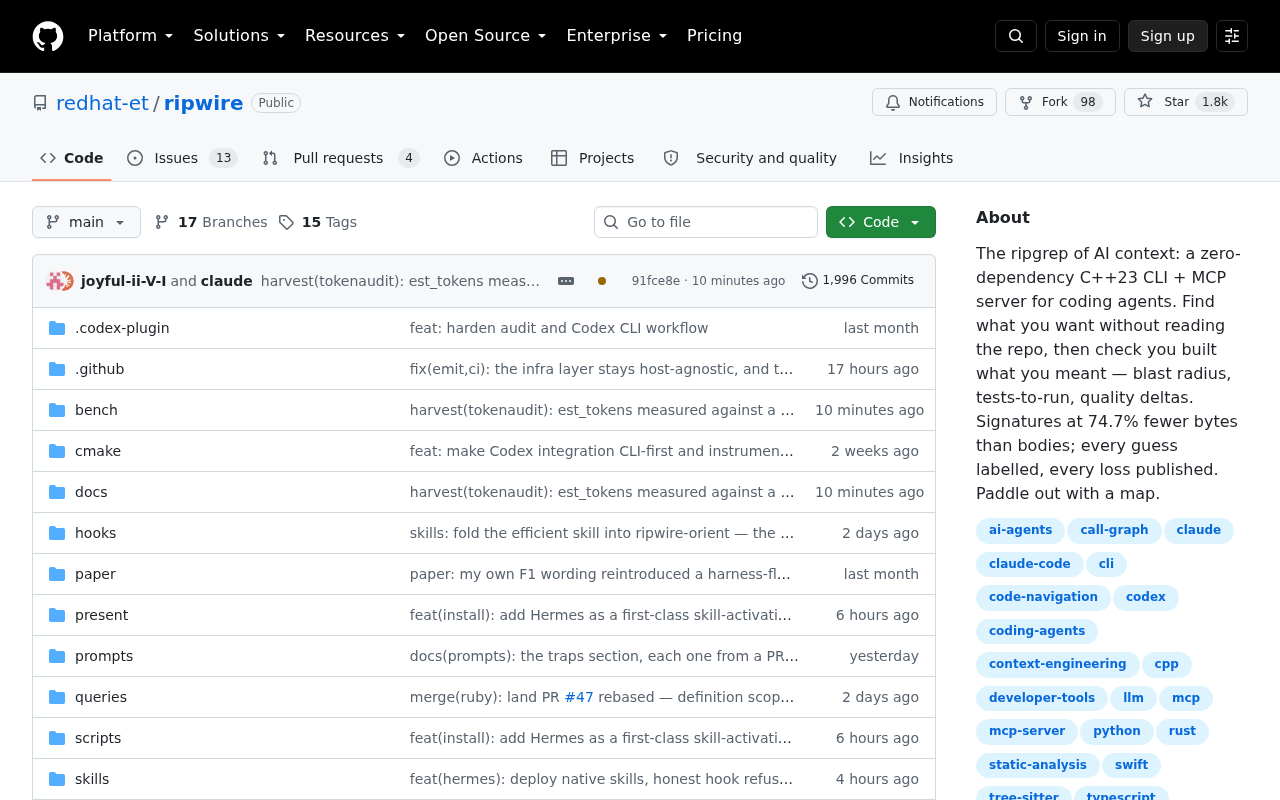
The ripgrep of AI context: a zero-dependency C++23 CLI + MCP server for coding agents. Find what you want without reading the repo, then check you built what you meant — blast radius, tests-to-run,...

Broad based performance improvements with VCF 9.1 CPU scheduler enhancements are seen in many workloads as shown with examples.
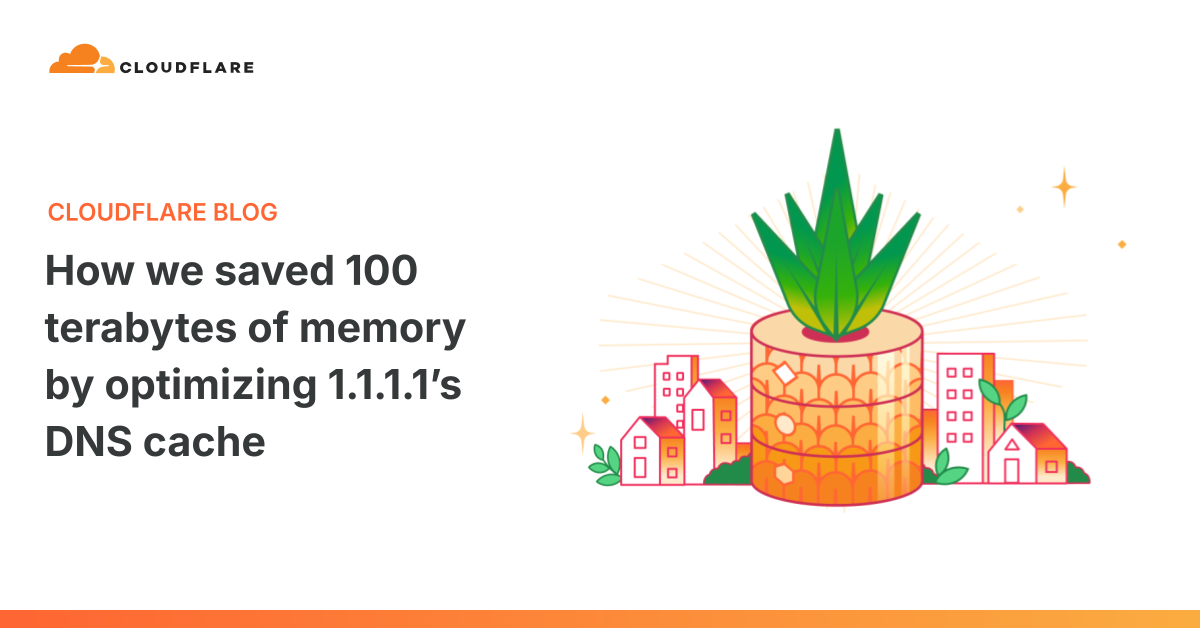
Five Rust-level memory optimizations to the DNS cache layout of Big Pineapple cut per-entry memory by 56%, freeing approximately 100 TB of memory across Cloudflare's fleet.
People pick languages differently with LLMs.
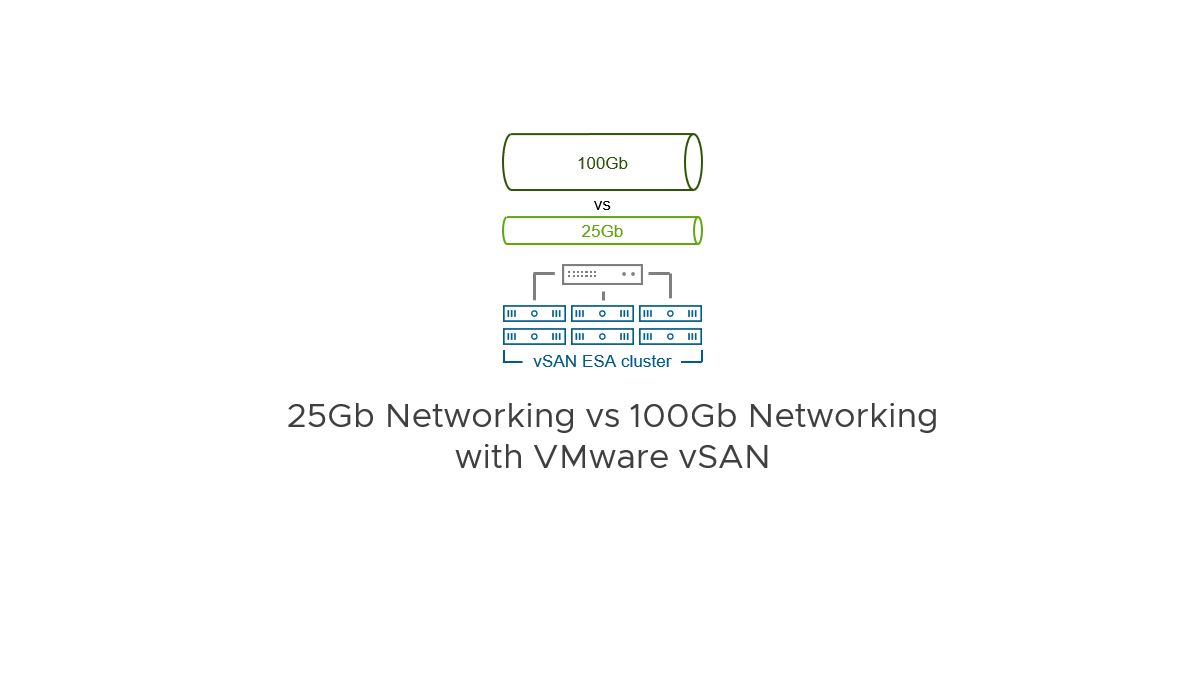
Over the past four years, the VMware vSAN Express Storage Architecture (ESA) has demonstrated extraordinary performance capabilities for our customers. But, as noted in a series of blog posts, a distributed storage system like vSAN relies not just on the hardware of the hosts, but the network fabric that connects them. The post: “What to … Continued

Friday’s big release was Qwen 3.8 27B, an Apache 2 licensed 27B parameter vision-capable LLM from Alibaba’s Qwen research lab. I’ve been looking forward to this one: 27B is an …
DFlash 2 is the successor to our widely deployed parallel drafter: close to 3× the speed of autoregressive decoding, with the same output. Drafters for Qwen3.8-27B and Meta's Muse Glimmer are out today.
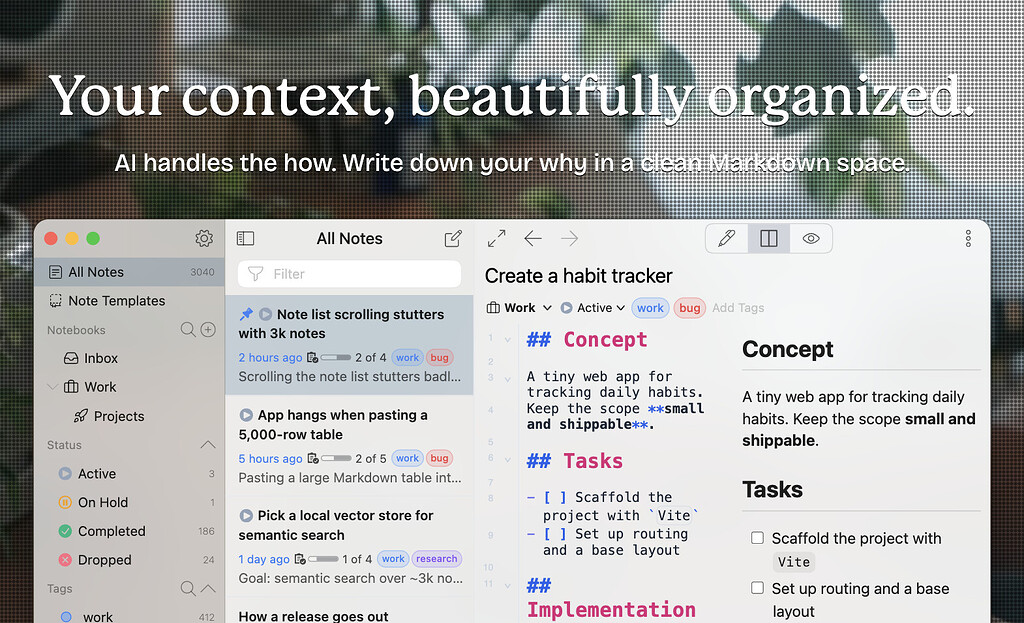
Inkdrop v6 is the biggest release since the app was born. Nearly every layer has been rebuilt — the editor, the Markdown renderer, the theming system, the storage engine, the plugin toolchain, and the build pipeline — while keeping the app small, fast, and focused on writing. It also completes the roadmap vol.6 in full. Here’s everything that’s new. New Editor The whole editor has been rebuilt on CodeMirror 6. That single change unlocked most of the features below — and it finally retires...

Re-benchmarking the three-node Ceph-over-Thunderbolt cluster under real production load, days after the original build, and asking whether the numbers hold up or were just good for a novelty setup.
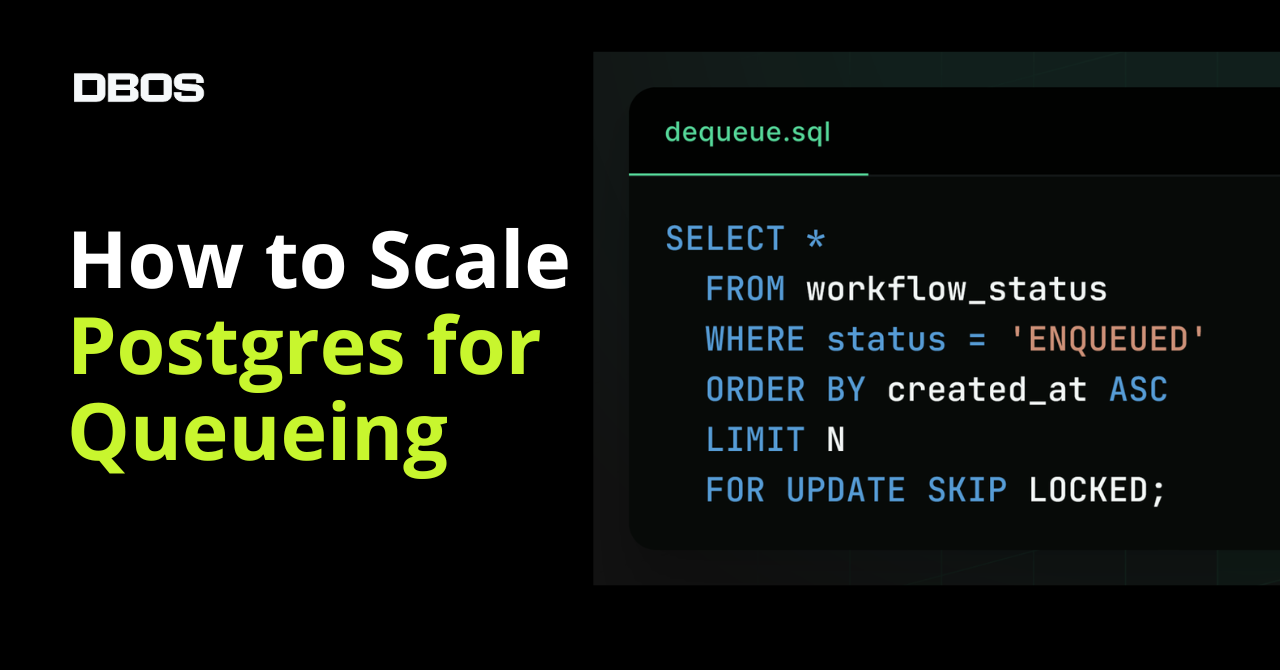
Lessons learned from scaling Postgres-backed durable queues for users running tens of billions of workflows per month.

Looks like my next monitor !
Does "rtk" reduce Claude Code token usage? Part 2 of a series where we take public “token saving” add-ons for coding agents and run the same paired A/B benchmark against each of them. Part 1 was th
How prompt caching shapes the cost, latency, tools, and architecture of coding agents, and what Pi does to keep cache behavior visible.

We built a social network on SQLite, put it behind a Node API, and hit it until something broke. One file, one process, 315 million requests a day on the heaviest endpoint. Here are the numbers, the config, and the honest limits.

Grok 4.5 just launched. So we had it, GPT-5.5, Claude Opus 4.8, and Fable 5 one-shot the same interactive apps, then measured latency and cost. Here is who won.

Hi folks, it's Takuya here, the solo developer of Inkdrop.

If you’ve been setting up VMware Memory Tiering or thinking about it, you’ve probably asked yourself at some point: what happens to Memory Large Pages? It’s a great question, and I’m glad you’ve asked it, because the answer changes how you need to plan your capacity and configure your VMs. Let me walk you through … Continued

I noticed how slow my ZSH had. gotten and decided to fix it. Timed, profiled, and fixed it.

Running Gemma 4 26B-A4B and Qwen3.6 35B-A3B locally with llama.cpp, MTP speculative decoding, multimodal support, and PI as a coding agent.

How an obsession with KPIs at Orange led people to game them, slowing service delivery to a crawl. A cautionary tale about Goodhart's law.
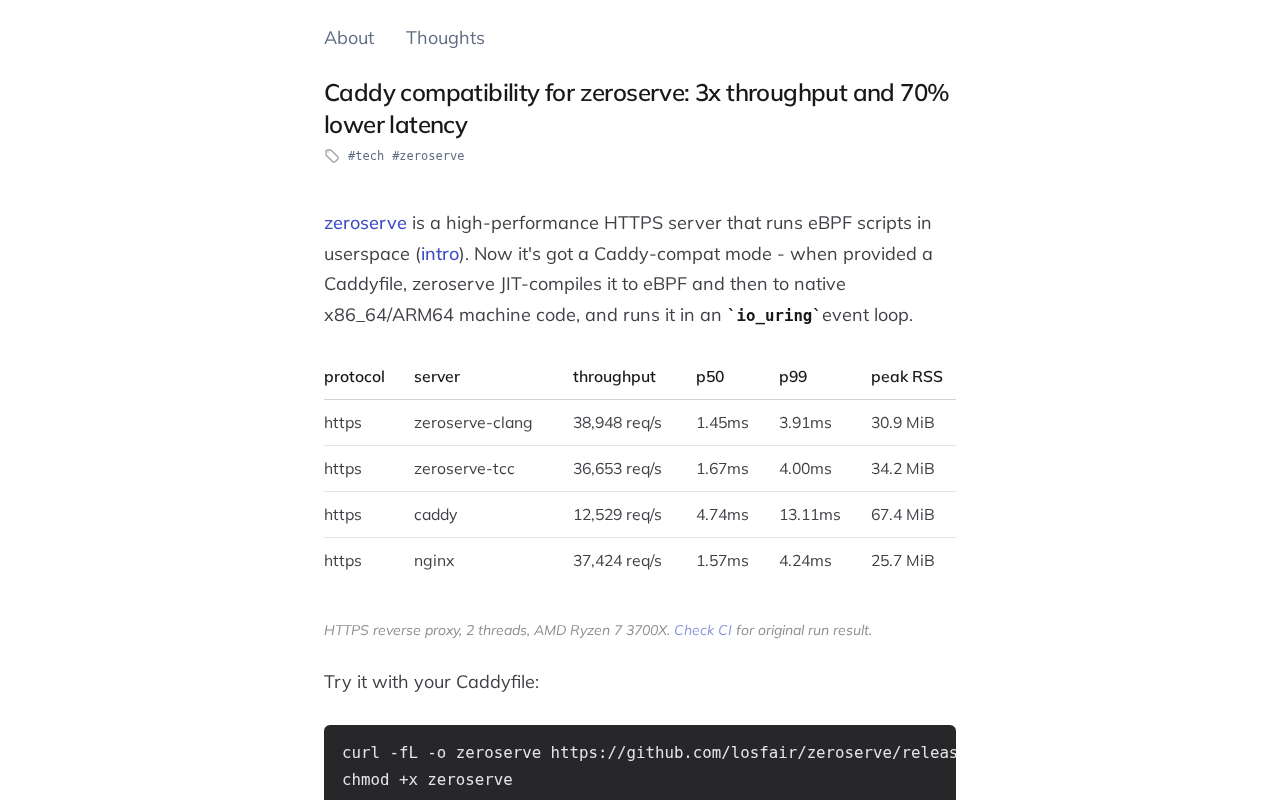
zeroserveis a high-performance HTTPS server that runs eBPF scripts in userspace (intro). Now it's got a Caddy-compat mode - when provided a Caddyfile, zeroserve JIT-compiles it to eBPF and then to nat
Today, I’m proud to announce Homebrew 6.0.0. The most significant changes since 5.1.0 are a new tap trust security mechanism, the new faster, smaller, default internal Homebrew JSON API, sandboxing on Linux, better defaults informed by our user survey, many brew bundle improvements, improved performance and initial support for macOS 27 (Golden Gate).

I do all my work in the terminal, so it has to be quick. How my zsh starts in 30 milliseconds without a framework, and how to measure where your own shell spends its time.
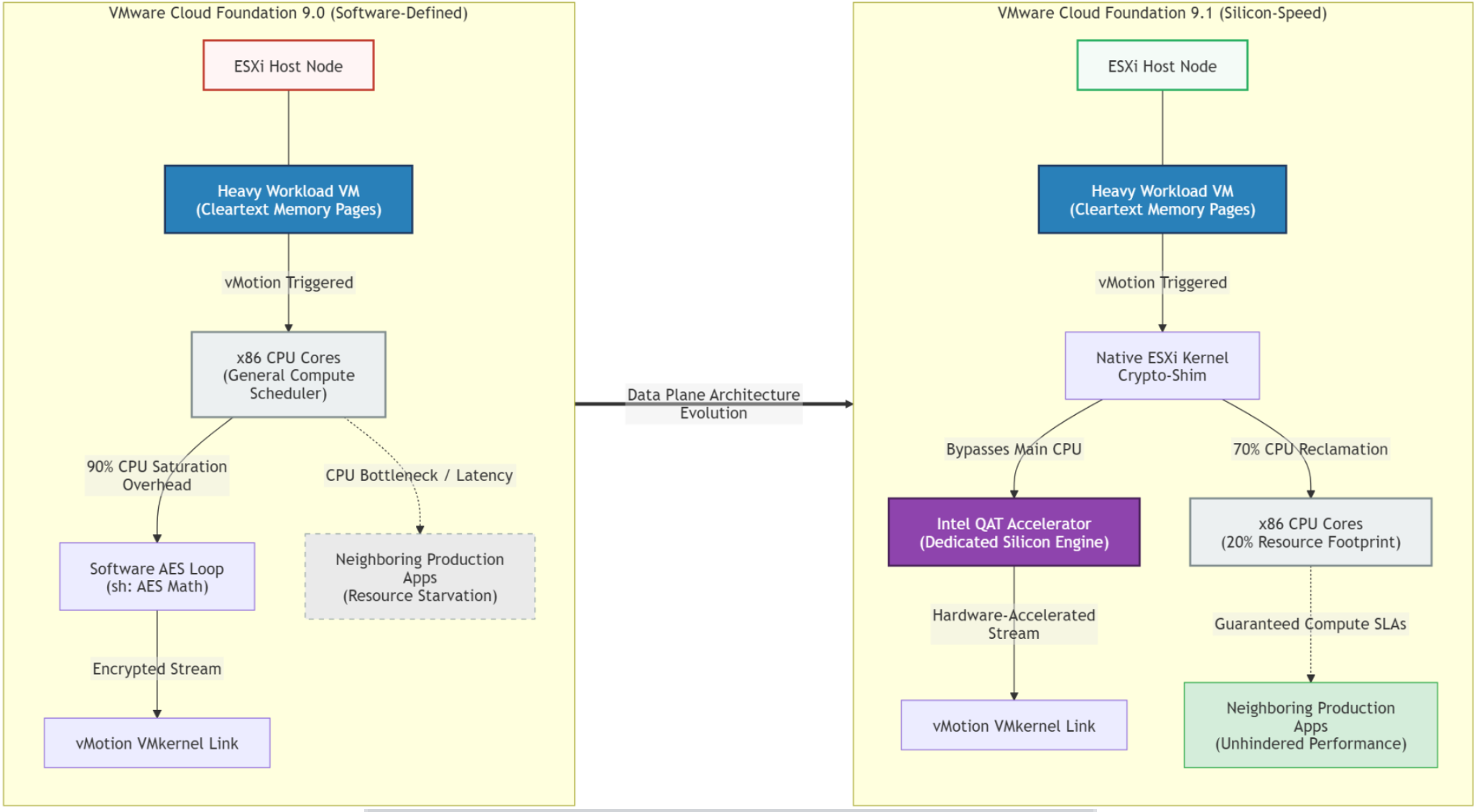
IntroductionThe Architectural Breakthrough: Moving from Software to SiliconVCF 9.0 : Software-Defined EncryptionVCF 9.1: Silicon-Layer Hardware OffloadControl-Plane Encryption: vSphere NKPDeep Dive…

Or running Gemma 4 on a 2016 Xeon with no GPU, 25 flags, 128 GB of DDR3, and a 25B-parameter MoE.

Our latest model, Claude Opus 4.8, is an upgrade to our Opus class of models, with stronger performance across coding, agentic tasks, and professional work, and the consistency to handle long-running work.
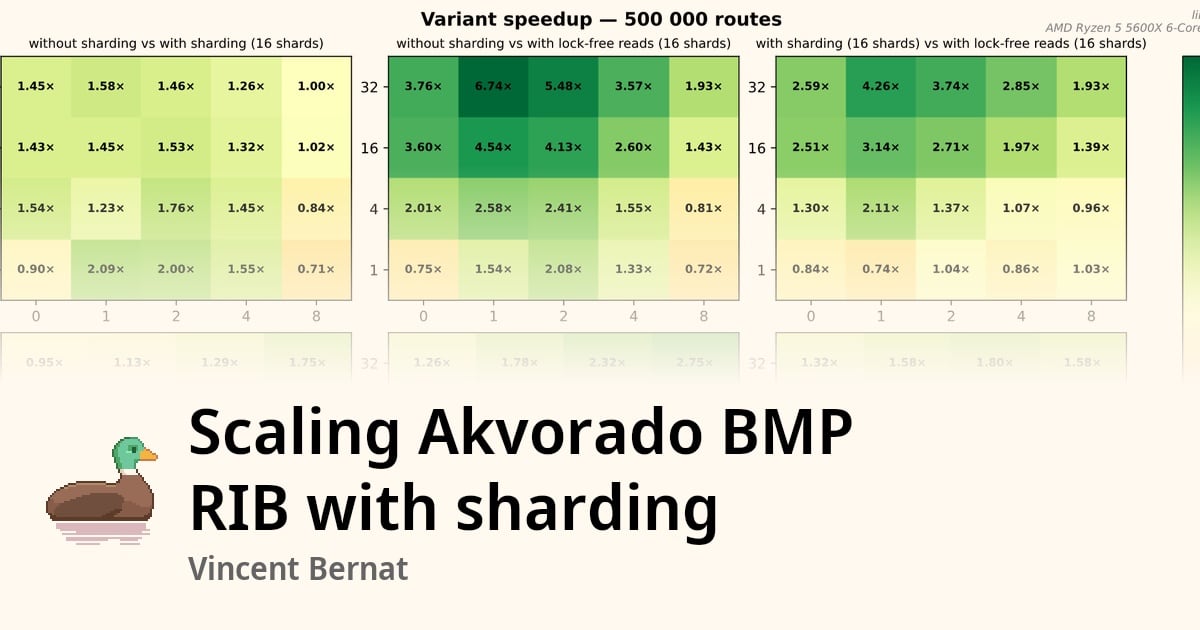
How Akvorado's BMP component scales to tens of millions of routes thanks to RIB sharding and lock-free reads.

In this follow-up article, I take a deeper look at the VNA architecture in VCF 9.1, including placement, relocation, scaling, and network spans.

Learn the Proxmox VM disk settings I change on every new VM for better performance, storage efficiency, and responsiveness.
This technical session covers what's new in vSphere as part of VMware Cloud Foundation 9.1. Féidhlim O'Leary walks through lifecycle management, VM management, and Kubernetes enhancements. Dave Morera covers workload acceleration including memory tiering, vMotion encryption offload, NUMA scheduling improvements, and expanded GPU support. Bob Plankers closes with platform security topics.

Astro builds fast content sites, powerful web applications, dynamic server APIs, and everything in-between.

How the maintainer of the popular For You feed serves it from their living room!
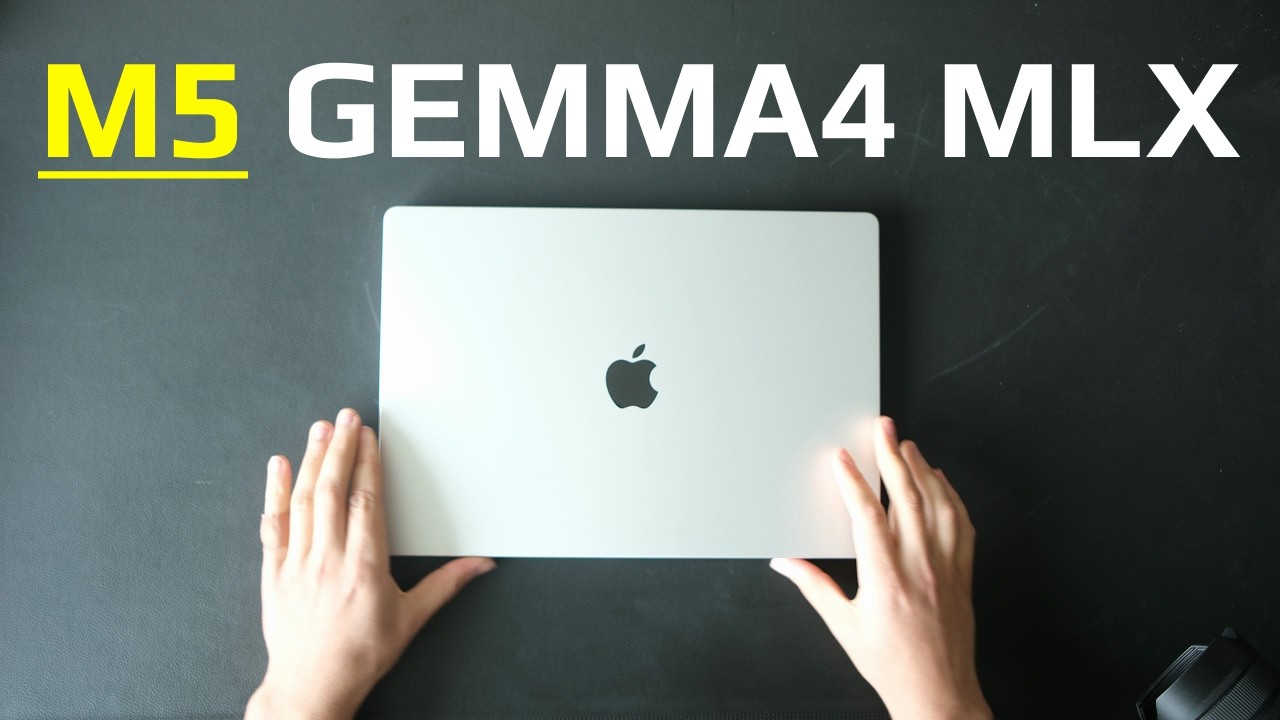
Model providers DON'T want you to see this video. The M5 Max just exposed the dirty secret of the cloud LLM economy: you're renting what you could already OWN.

We built the same HTTP server in Go, Bun, and Rust using two storage strategies: read the file on every request, or load everything into memory. Then we ran real benchmarks. The results are more interesting than you'd expect.
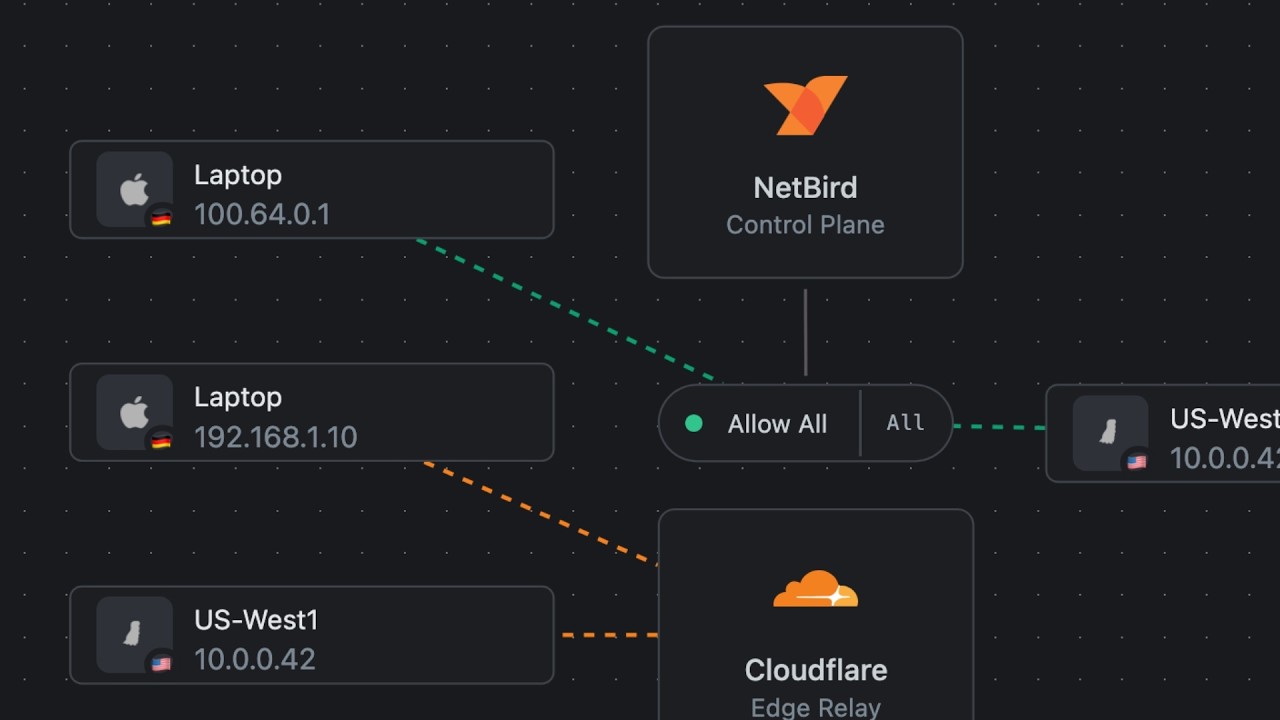
We benchmarked Cloudflare Mesh, NetBird, and Tailscale across AWS, GCP, Hetzner, and residential networks in Europe. Here's what peer-to-peer vs edge routing actually looks like in practice.

Fixes 120 issues (addressing 219 👍). Render Markdown in the terminal with bun ./file.md, Bun.WebView headless browser automation, in-process Bun.cron() scheduler, async stack traces for native errors, 2.3x faster URLPattern, 2x faster Bun.Glob.scan, cgroup-aware parallelism on Linux, and many bugfixes and Node.js compatibility improvements.

A tale about misconfiguring nginx, from adventures in production

I have been running the full VMware Cloud Foundation (VCF) 9.0 stack using the Minisforum MS-A2 in a three-node configuration for almost a year now. While the MS-A2 is not hardware that you would f…

Today, we're previewing the fastest way to run Ollama on Apple silicon, powered by MLX, Apple's machine learning framework.

An introduction to the jsongrep tool, a technical explanation of its DFA-based search engine, and performance results against popular JSON query tools.

I've had my Framework 13 for a year now, but am I still enjoying it?
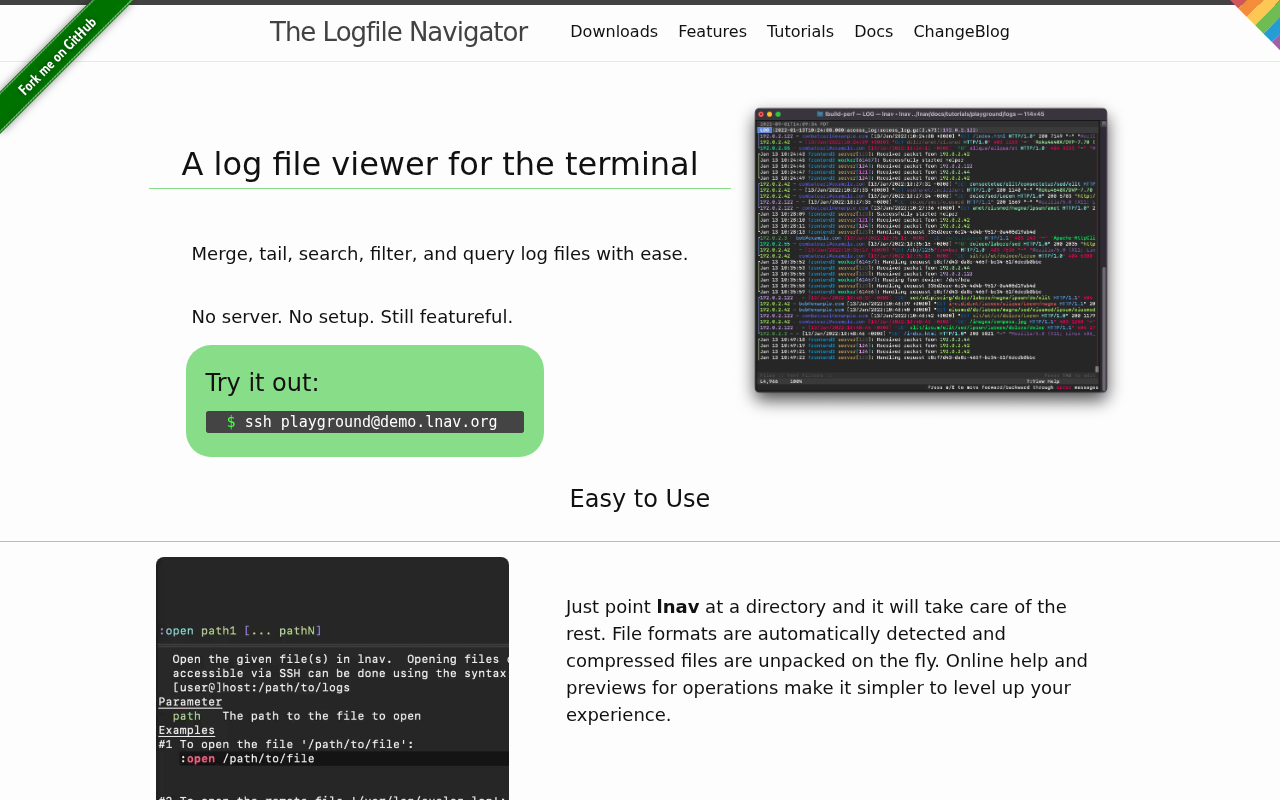
The Logfile Navigator, lnav for short, is an advanced log file viewer for the small-scale.
Cloudflare’s Gen 13 servers double our compute throughput by rethinking the balance between cache and cores. Moving to high-core-count AMD EPYC ™ Turin CPUs, we traded large L3 cache for raw compute density. By running our new Rust-based FL2 stack, we completely mitigated the latency penalty to unlock twice the performance.
VMware vSAN stands as a cornerstone of the modern Software-Defined Data Center (SDDC), offering robust, high-performance, and scalable storage solutions integrated directly into the hypervisor. As the
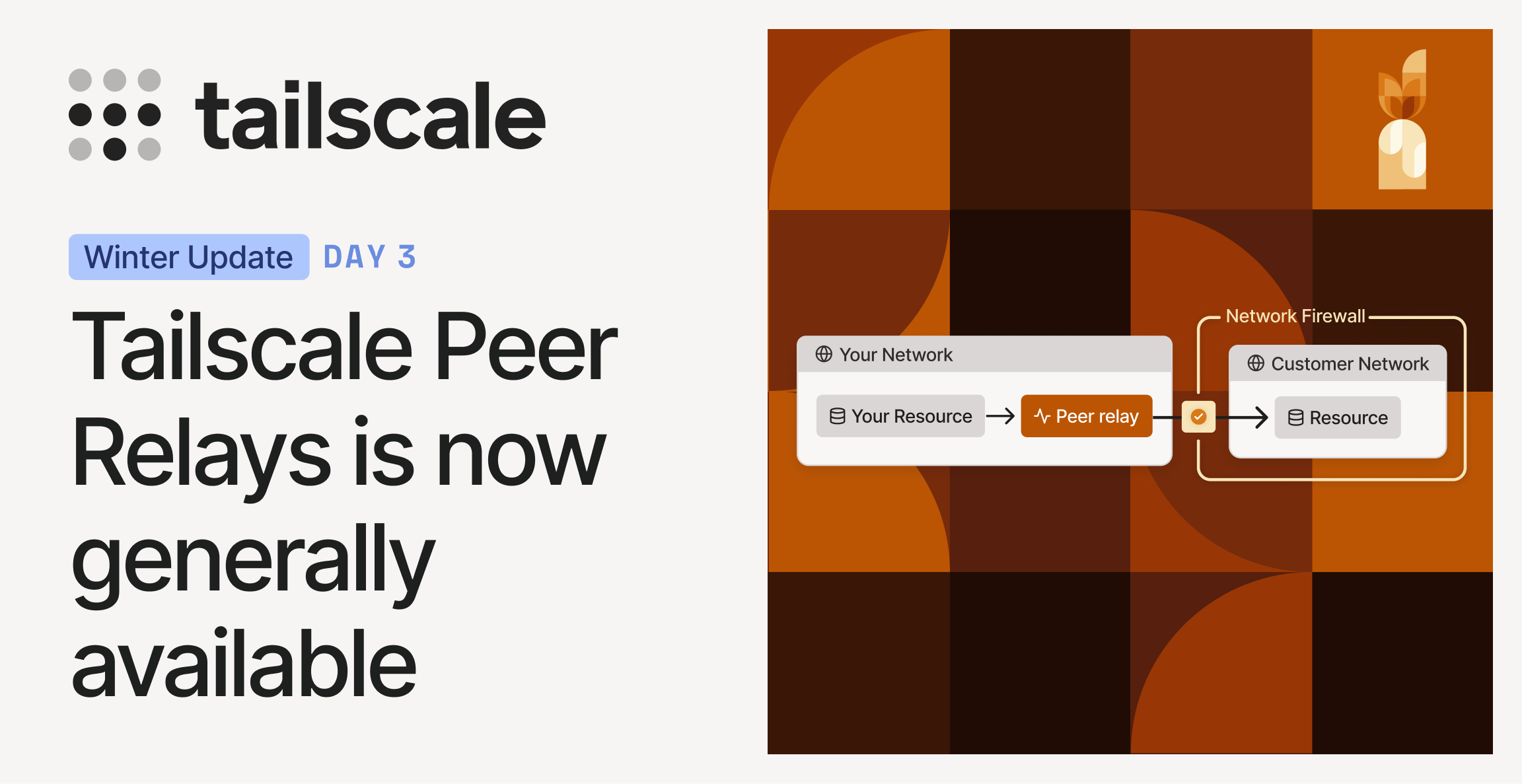
Work around hard NATs and tricky networks with production-grade connectivity nodes you control
Deploy More Resilient Apps. Hatchet is a platform for building distributed web apps that solves scaling problems like concurrency, fairness, and rate limiting.
Learn how to clone PostgreSQL databases instantly using reflinks. Turn slow template copies into milliseconds with PostgreSQL 18's new file copy options.

Let’s relearn web caching together.
Recent advancements in Cloudflare Python Workers means fast cold starts, comprehensive package support, and a great developer experience. We explain how they were achieved and show how Python can be used to build serverless applications on Cloudflare.

Disaggregating Prefill and Decode: Faster First Tokens, Faster Streams
Cloudflare investigated CPU performance benchmark results for Workers, uncovering and fixing issues in infrastructure, V8 garbage collection, and OpenNext optimizations. These improvements have made Cloudflare Workers faster for all customers.
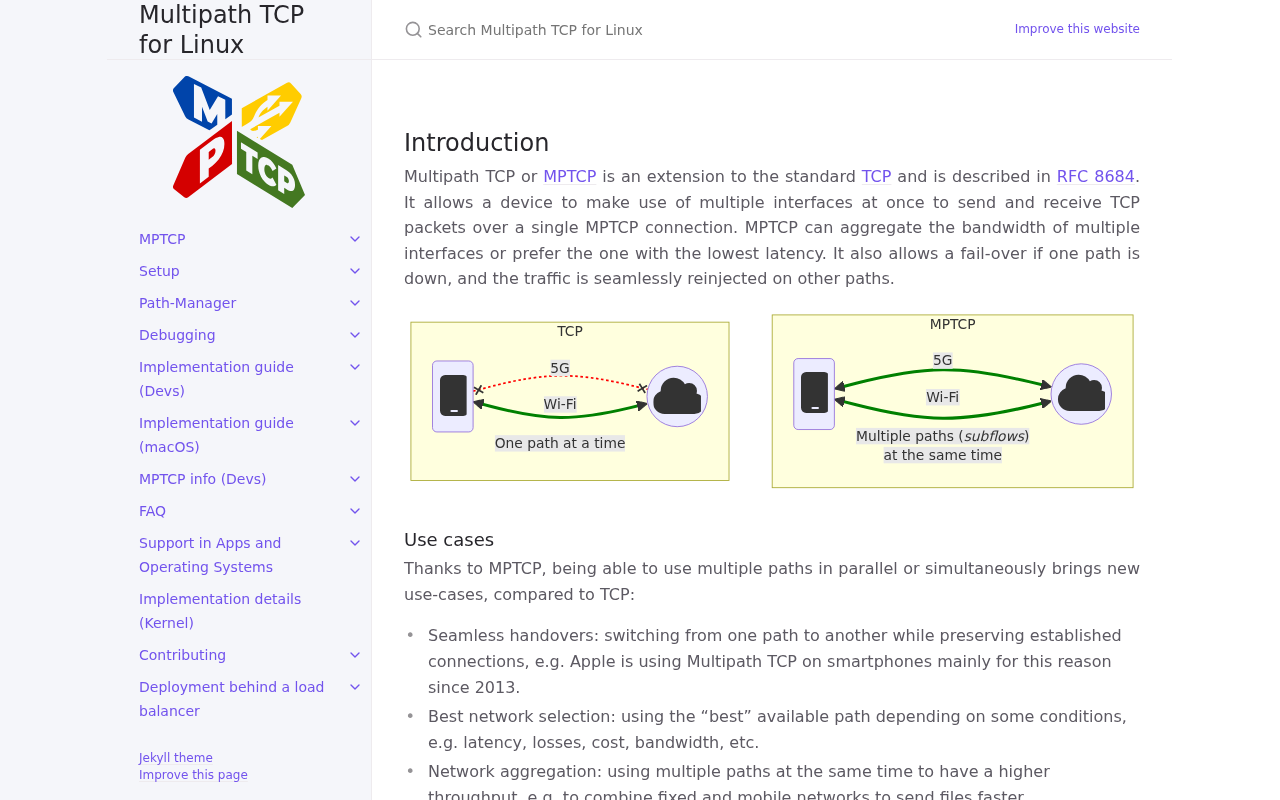
Multipath TCP (MPTCP) for Linux, an extension to TCP that enhances connection redundancy and performance by utilizing multiple underlying TCP sessions simultaneously. This site provides installation guides, debugging tools, FAQs, and a list of apps supporting MPTCP, aimed at facilitating the adoption and implementation of MPTCP for Linux users and developers.
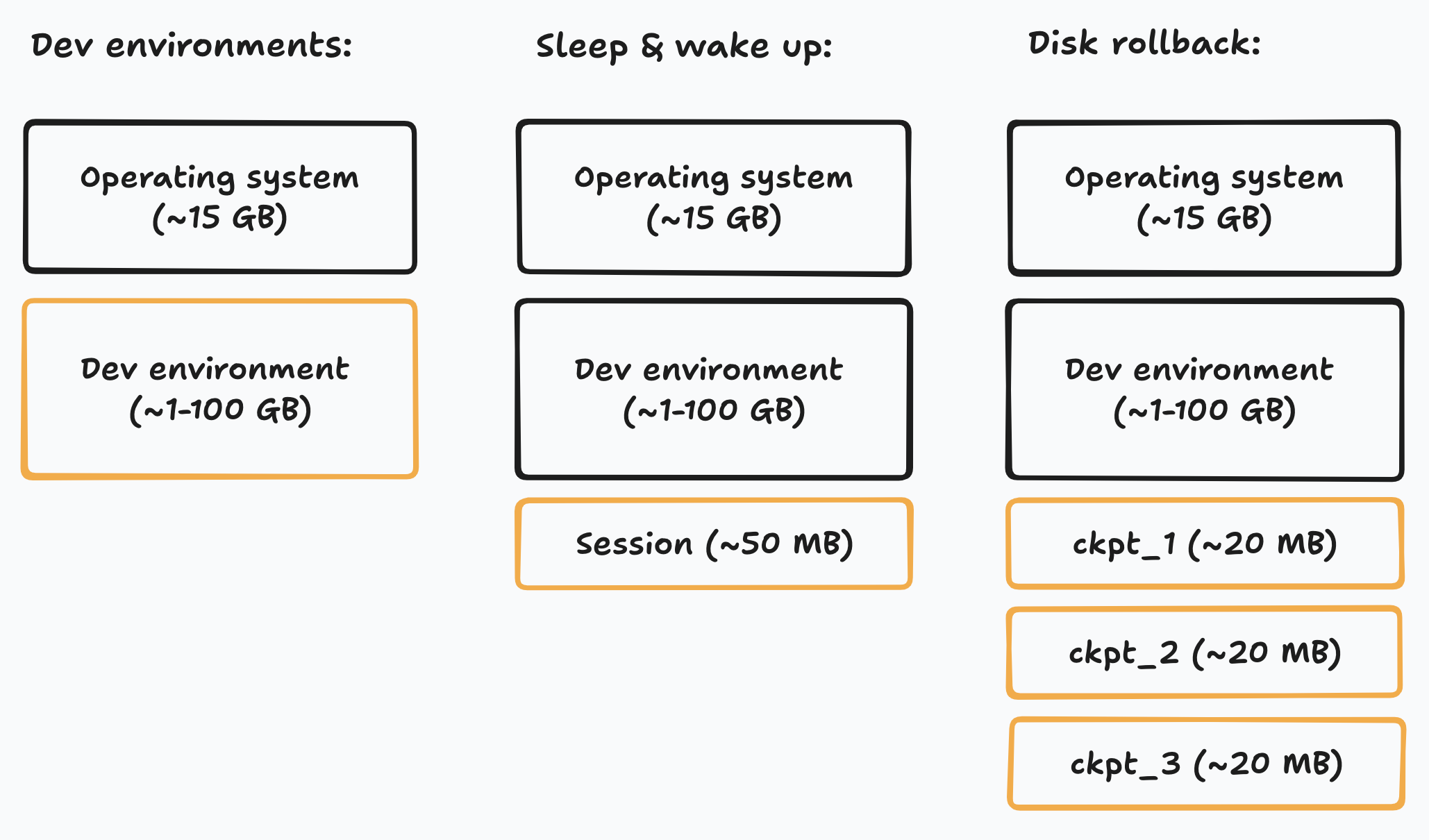
How we built blockdiff, an open-source tool for rapid block-level diffs and snapshots of VM disks.
Sourcing data directly from diskISfaster than caching in memory. I brought receipts.
Because hardware got wider but not faster, the old methods don't get you there. You need new tools to use what is
Hardware got wider, not faster. More cores, more bandwidth, huge vector units — but clocks, IPC, and latency flatlined. Old rules like “memory is faster than disk” are breaking. To go fast today, you
On August 21, 2025, an influx of traffic directed toward clients hosted in AWS us-east-1 caused severe congestion on links between Cloudflare and us-east-1. In this post, we explain what the failure was, why it occurred, and what we’re doing to make sure this doesn’t happen again.

A beautiful, efficient system monitor built with Rust and Svelte. Monitor processes, CPU, and memory usage in real-time.

Simple. Powerful. Fast. Pick three. Release 25.5.0( What’s new?) structlog is the production-ready logging solution for Python: Simple: Everything is about functions that take and return dictionari...

The horizontal scaling layer for PostgreSQL, deployed as a simple proxy.Load balance queries and shard databases, without application changes.

A quick guide on how to set up OPCache and fine-tune PHP-FPM.
I spent a month repeatedly building my website in Docker, and now have horrors to share.
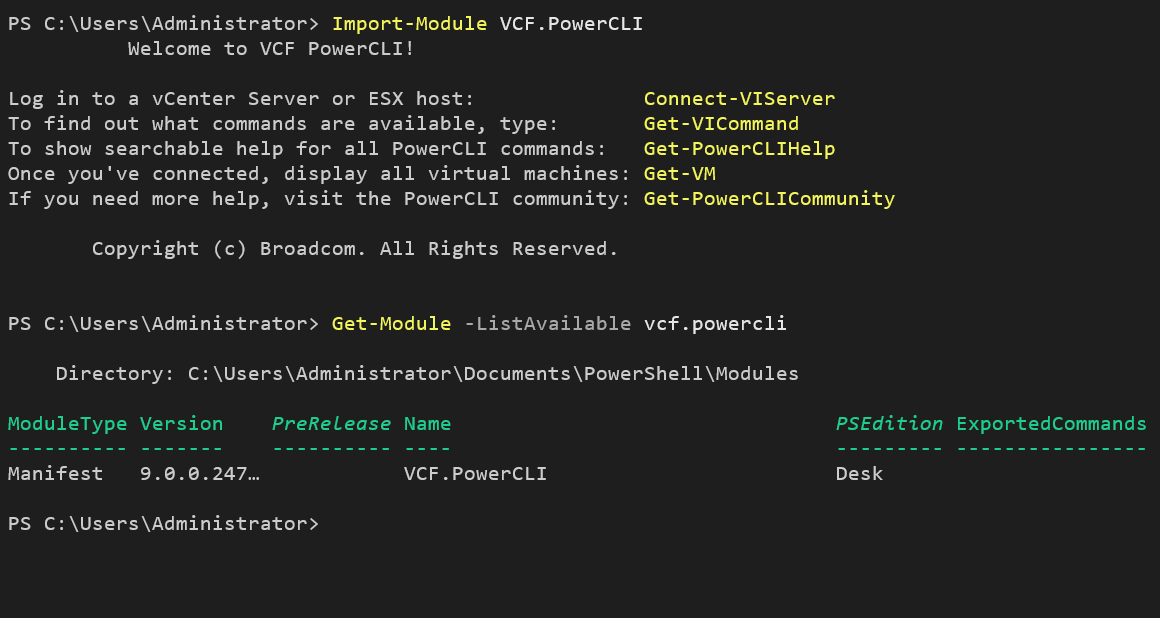
PowerCLI has long established itself as a trusted and widely adopted automation tool across VMware environments. It remains one of the most preferred tools among our customers, and its popularity is reflected in the numbers—we estimate over 1.5 to 2 million downloads each year.
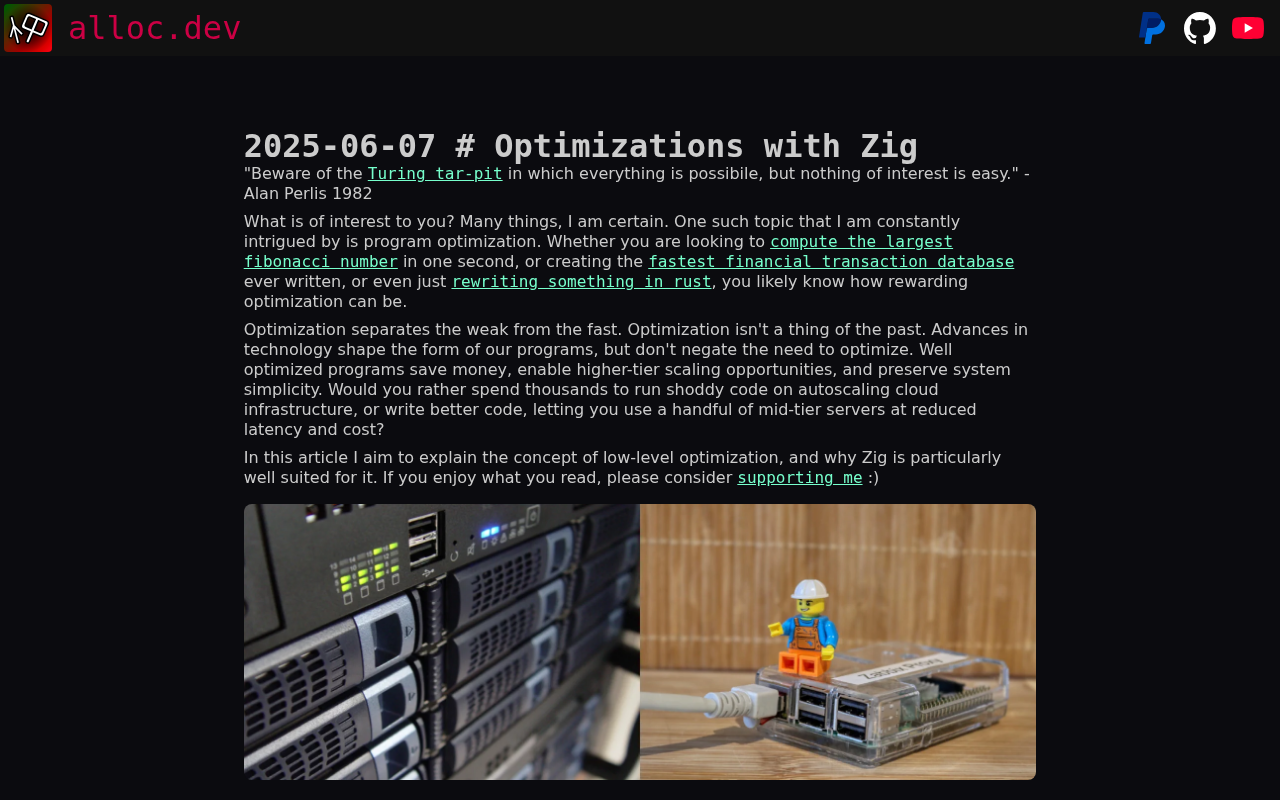
The power of Zig's comptime code execution
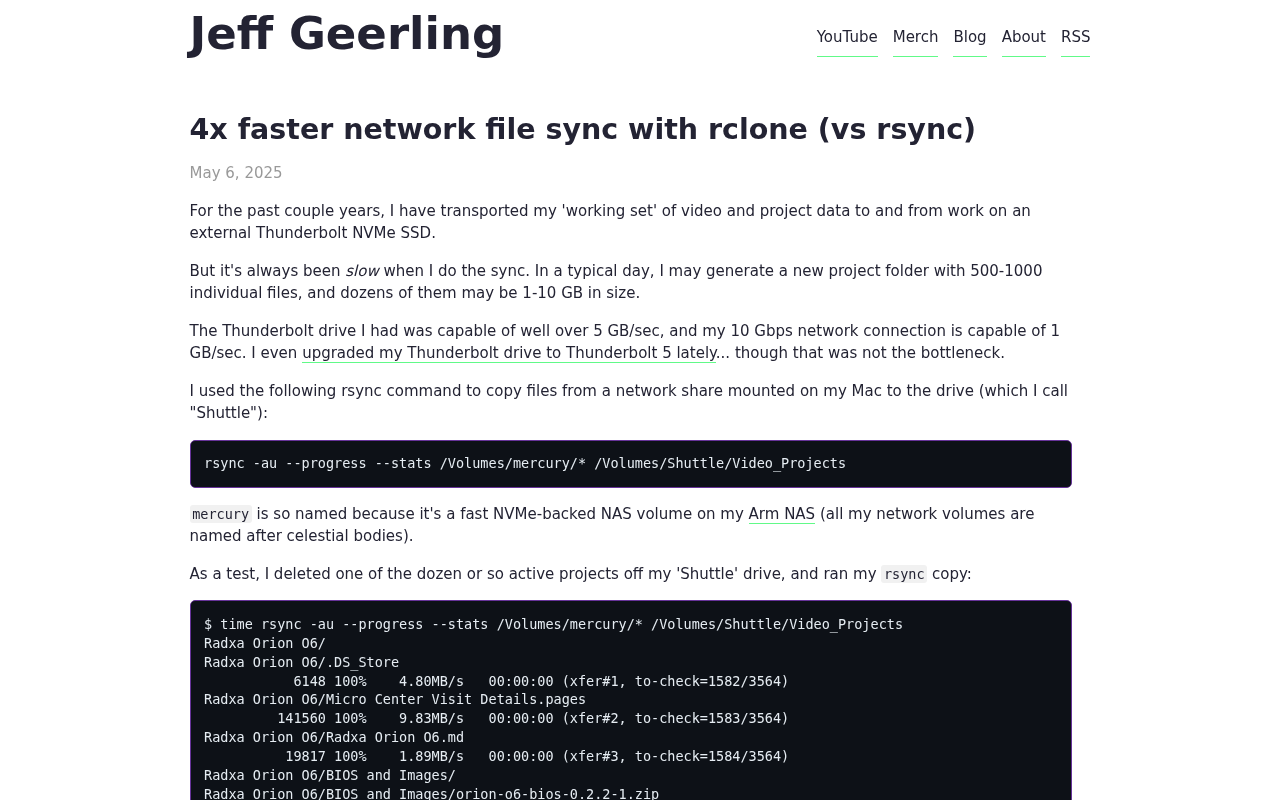
For the past couple years, I have transported my 'working set' of video and project data to and from work on an external Thunderbolt NVMe SSD.
But it's always been slow when I do the sync. In a typical day, I may generate a new project folder with 500-1000 individual files, and dozens of them may be 1-10 GB in size.
The Thunderbolt drive I had was capable of well over 5 GB/sec, and my 10 Gbps network connection is capable of 1 GB/sec. I even upgraded my Thunderbolt drive to Thunderbolt 5 lately... though that was not the bottleneck.
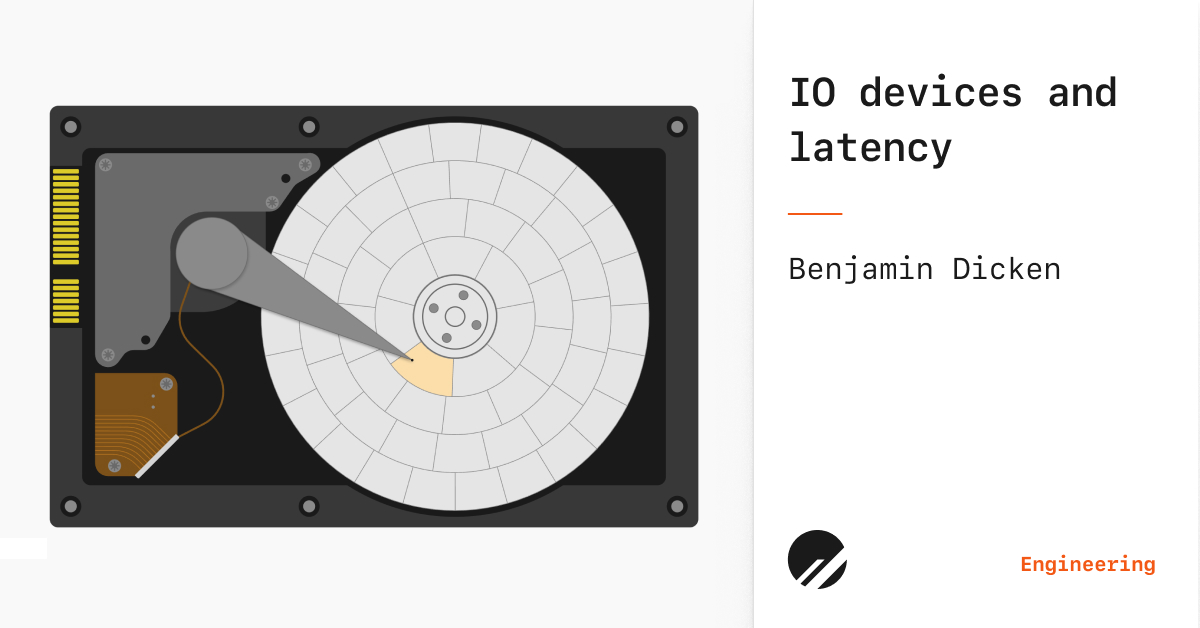
Take an interactive journey through the history of IO devices, and learn how IO device latency affects performance.
I want to write a post about Pitchfork, explaining where it comes from, why it is like it is, and how I see its future. But before I can get to that, I think I need to share my mental model on a few things, in this case, HTTP/2.
Super quick one I want to document here! I got myself on a side quest,
again! No biggie, my ZSH shell was taking ages to load. When I say
ag...
Let’s Encrypt protects a vast portion of the Web by providing TLS certificates to over 550 million websites—a figure that has grown by 42% in the last year alone. We currently issue over 340,000 certificates per hour. To manage this immense traffic and maintain responsiveness under high demand, our infrastructure relies on rate limiting. In 2015, we introduced our first rate limiting system, built on MariaDB. It evolved alongside our rapidly growing service but eventually revealed its limits: straining database servers, forcing long reset times on subscribers, and slowing down every request.

Why you should use MAC Learning
How Relational Databases Work. This post talks about how indexes and transactions work on the inside of relational databases.